
Anonymous visitor personalization, from the first click.
Most visitors never say who they are. Follow one through an outdoor store: a Google ad in Denver, three pages into tents, back two days later, and a sign-up at the end — plus a stranger who typed the URL. The page changes at every step, and it needs no name to do it. Switch the visitor below to see all five.
Built with Website Personalization — see the feature →
Two-person tents you can carry all day
Under 2 kg, up in five minutes, and warm enough for a Front Range night in November. Free returns for 60 days.
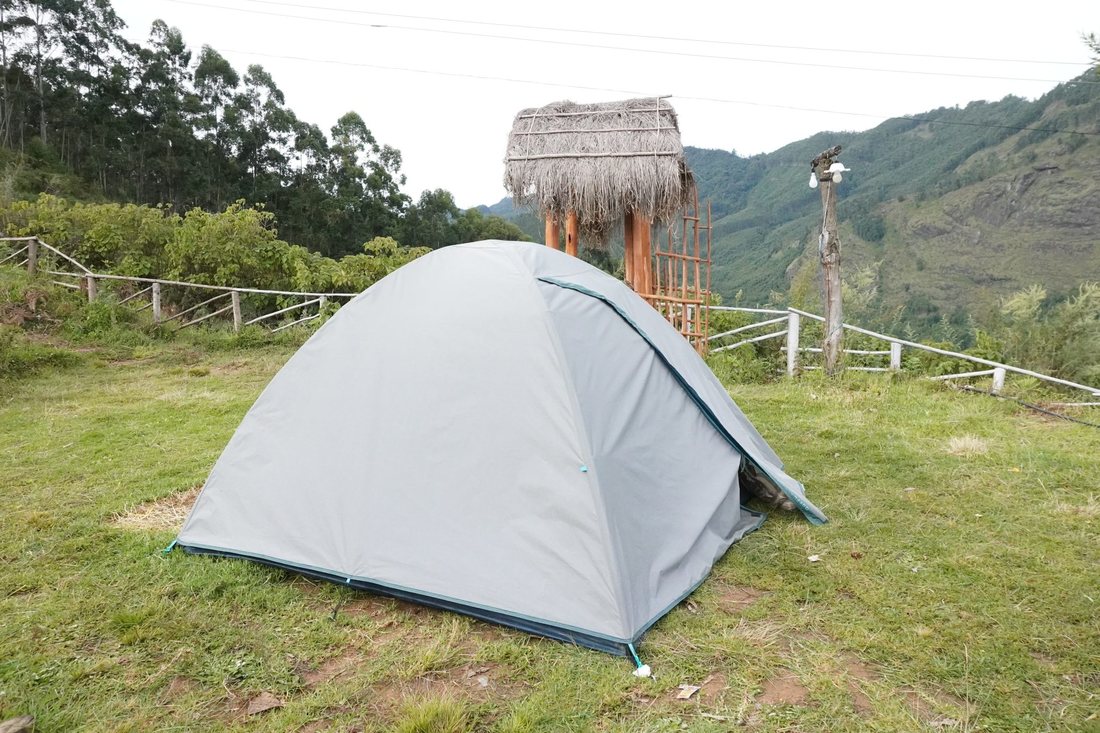
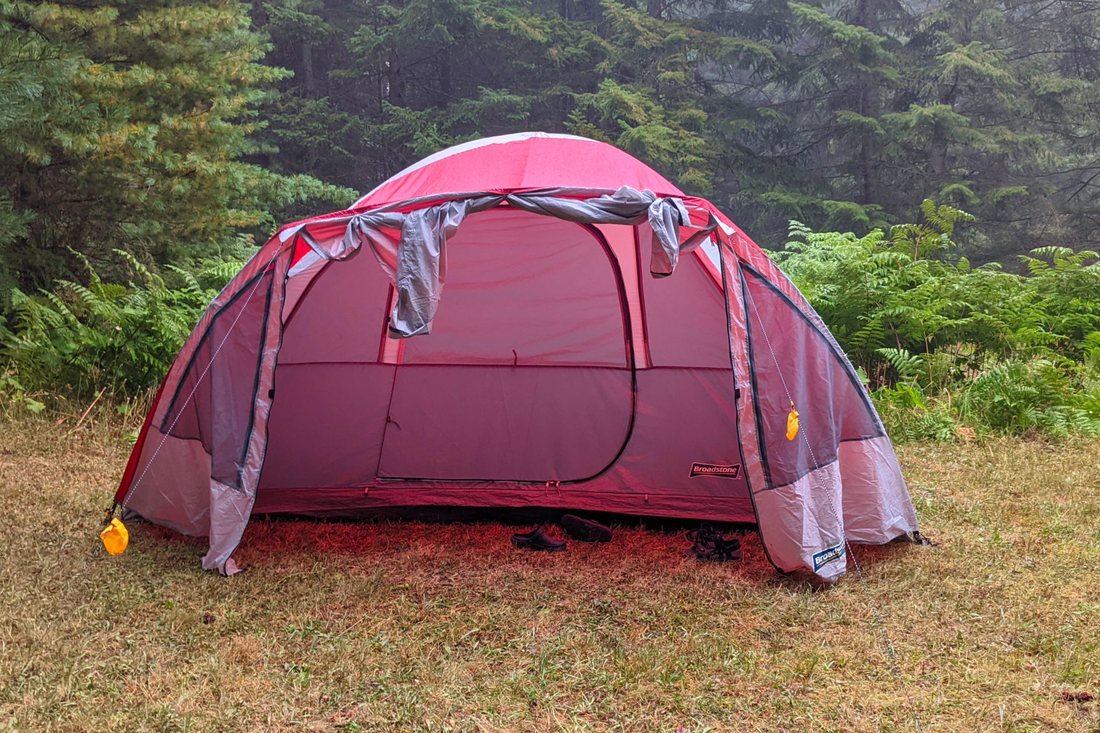


Pitched the Ridgeline at 11,000 feet in October. Warm, dry, and I forgot it was in my pack.Verified buyer — Boulder, CO
The click, the place, the first minute, the second visit — all before a name.
Read what comes with the click
The paid keyword, the landing page, the referrer and UTM tags, the city from the IP, local weather and time, the device. All of it is there on the first page.
Keep what they do, on an anonymous profile
Pages, products, prices and scroll from this visit, and the cart and views from earlier ones, stay on a profile tied to the browser, not to a person.
Add the name when they give it
A sign-up, a login or a tracked email click identifies the visitor. The profile is the same one; everything learned before is still on it.
How Personyze personalizes for someone it cannot name.
The first page reads the click
The keyword of the paid search click, “2 person backpacking tent”, the /tents landing page and Denver from the IP address set the hero and a row of three two-person tents. The top bar carries the local forecast for that city tonight. Organic search passes no keyword, so this part works for paid clicks.
Three pages in, the page follows what they opened
Two tents opened, at $249 and $329, and a scroll to the specs on both. The page offers the two side by side and a row of similar tents in the same price range, plus a sleeping bag viewed with the Ridgeline and poles that go with any tent.
Two days later, still anonymous, still recognized
The same browser comes back for a second visit. The tent left in the cart leads the page, and the row is the recently-viewed algorithm with a bought-together pick: where this visitor stopped. Nobody signed in.
With almost nothing, a tested start
A different visitor types the URL: no referrer, no campaign, no history. The phone, the local time and Salt Lake City from the IP still set the top bar. The hero is the winner of an A/B test among first-time visitors, and the row is trending products.
The sign-up adds a name, not a new profile
When the first visitor fills in the trip-guide sign-up form, the first name and email join the profile she already had. The page greets Maya by name and still shows her cart and the tents she compared.
No personal data until they give it
Every version before the sign-up runs on context and behavior: the click, the place, the device, the pages. The only name on this page is the one Maya typed in herself.
See how it is built, and where else it fits
The features
Website Personalization→Behavioral Targeting→Geo & Weather Targeting→Product Recommendations→A/B Testing→Questions about this example
What counts as an anonymous visitor?
Anyone you cannot name yet: no login, no email, no match in your CRM. The clearest case is the first page of a first visit, but it also covers returning visitors who never signed up. Personyze keeps an anonymous profile for each browser, and when the visitor signs up, logs in or clicks a tracked email, that same profile gets their name.
What can be personalized when nothing at all is known?
Even a typed URL with no referrer brings the device, the local time and the city from the IP address, and from that the local weather. In this example those set the top bar, the hero is the version that won an A/B test among first-time visitors, and the product row uses the trending algorithm. From the first click on, the page follows what the visitor does.
Does personalizing anonymous visitors need personal data?
No. Every version before the sign-up in this example runs on context and behavior: the ad click, the location from the IP, the device, and the pages, products and cart on that browser's profile. The only personal details shown are the first name and email the visitor typed into the sign-up form.
Personalize from the first click.
Match the ad, the place and the weather on the first page, follow the first minute, welcome the second visit — and keep all of it when the visitor finally tells you who they are.