Scan your siteA first AI personalization plan for your site: the best ideas drawn on your own pages, before you have any data.Starts right away · about 4 minutes · no email needed
Product and content recommendations that learn what each visitor wants — and serve it across web, email and in-app in milliseconds.
Choose from AI models, merchandising logic, or an algorithm you write yourself — then blend them. Shoppers can add to cart or save for later straight from the widget, and the same engine renders inside the emails you already send.
Whether you sell products or publish articles, Personyze adapts to every visitor in real time — lifting AOV for retailers and time-on-site for publishers.
E-commerce
Product Recommendations
Show every shopper the products they’re most likely to buy — on PDPs, category pages, cart, checkout, and post-purchase.
Bestsellers, new arrivals, related, similar items
Frequently bought together, complete-the-look
AI-ranked by purchase intent in real time
$48
$32
FOR YOU
$59
$24
+34%Avg AOV lift on personalized recs
Publishers
Content Recommendations
Keep readers reading. Surface the next article, video, or guide that matches what they’re into — based on topic, behavior, and intent.
Related articles, popular reads, editor’s picks
Topic clustering & semantic similarity
Cross-format recs (article → video → podcast)
5 min read · Strategy
✨ PICKED FOR YOU
3 min read · Trends
1.4×Pages per session vs. static recs
Conversion lifters
Recommendation Badges
Layer dynamic badges over recommendations to drive urgency and trust — trending, low stock, social proof, price drops, new arrivals.
“Trending” · “3 left” · “Just added”
Bestseller · Editor’s pick · Top rated
Real-time inventory & behavioral signals
🔥 TRENDING
$49
3 LEFT
★ EDITOR’S PICK
$28
+12%
+12%CTR with social-proof badges
Cross-channel
Same Recs Everywhere
One recommendation engine, every channel. The same personalized picks follow your visitor from web to email to push notifications — coherent, never duplicated.
Web, email, push, mobile app from one engine
Open-time rendering for emails — never stale
Frequency caps prevent same-product fatigue
Web
S
9:14
Email
9:41
Picks for you
now
Push
3×Engagement vs. siloed recs
Algorithm library
Pick the algorithm. Then take things out.
Twenty-seven base algorithms decide the order, and each one adapts to what it already knows about the visitor. The rules decide who gets into the list at all — and the badge is the last thing a shopper reads before they click.
Start with one of twenty-sevenProducts or articles — behavioural models, merchandising logic, or a rule you write yourself
Three best-sellers. All three wrong.Nobody told the engine what this visitor is holding, viewing or already owns.
Three switches laterSame algorithm, same visitor — three things they can actually buy.
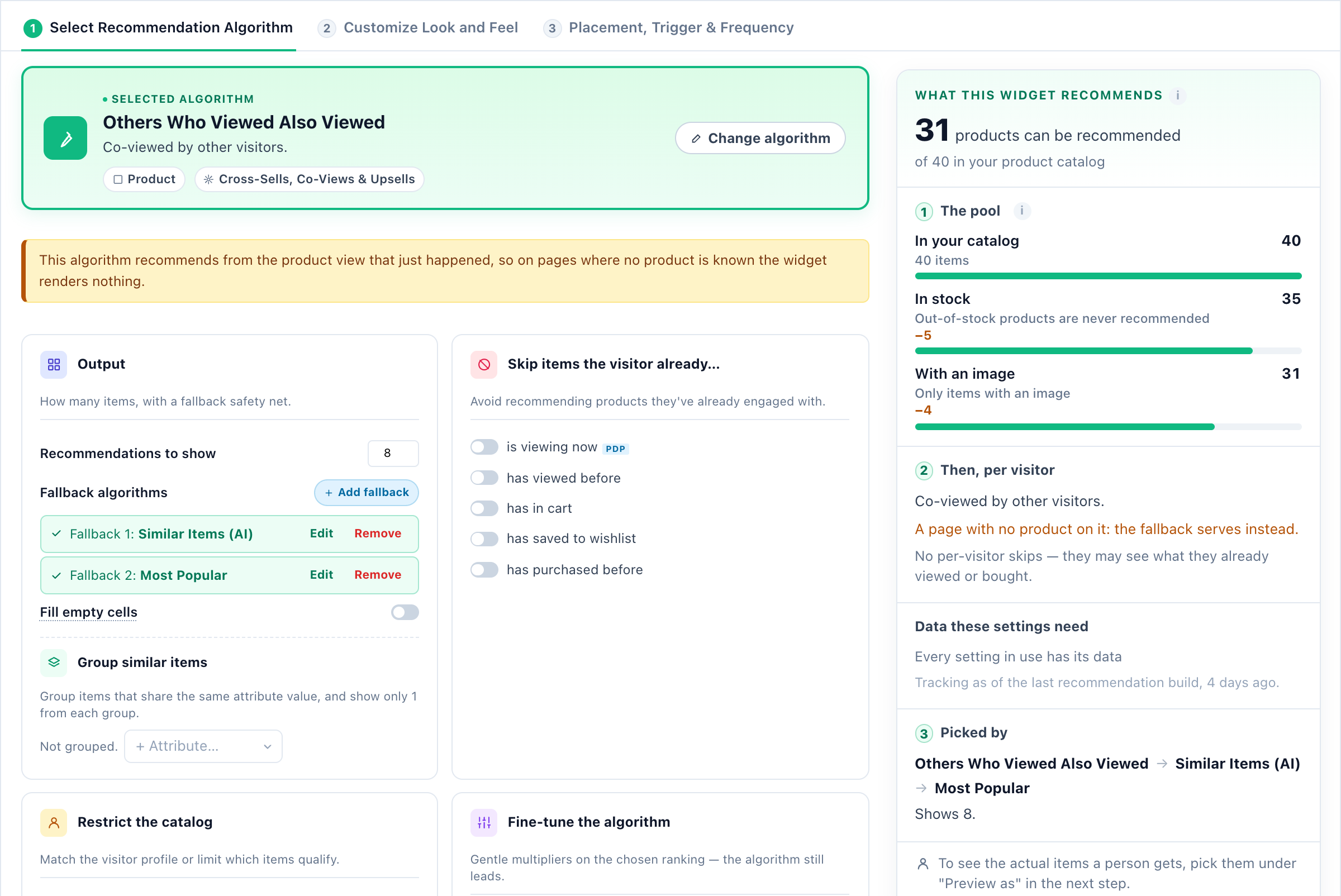
BASED ON RECENTLY VIEWED ITEMSOthers Who Viewed Also Viewed
Co-viewed by other visitors — ranked for the person looking at the page right now.
Prefer most recommendedRecommend any
What it returns right now
PageProduct▾
TypeCross-Sells, Co-Views & Upsells▾
Skip items the visitor already…is viewing nowPDPhas in carthas purchased before
YOU MAY ALSO LIKE
MOST POPULARON THIS PAGE NOW
iPad Air 11-inch$599
BOUGHT TOGETHERIN THEIR CART
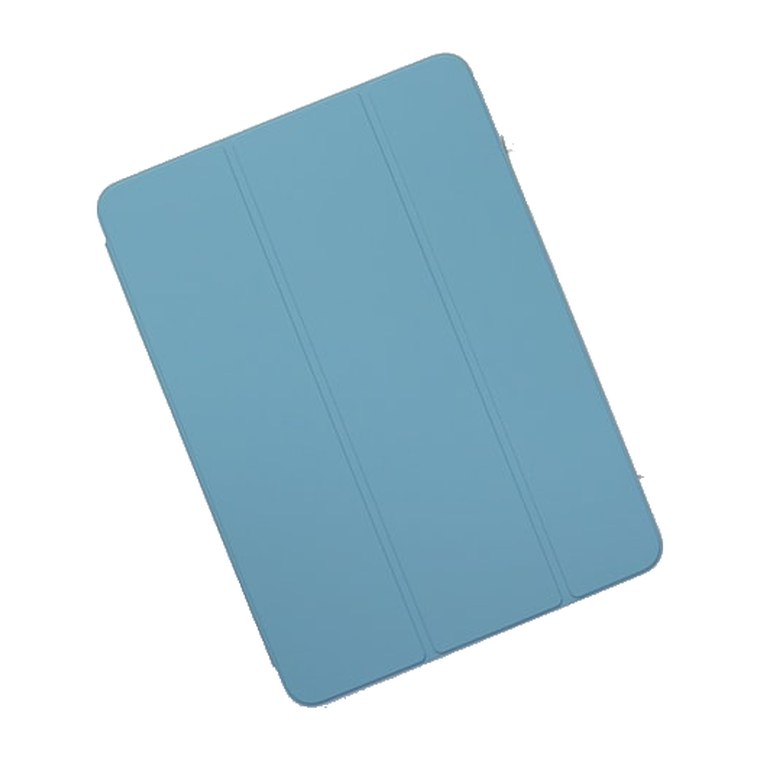
Folio Case$79
BEST SELLERBOUGHT IN MARCH
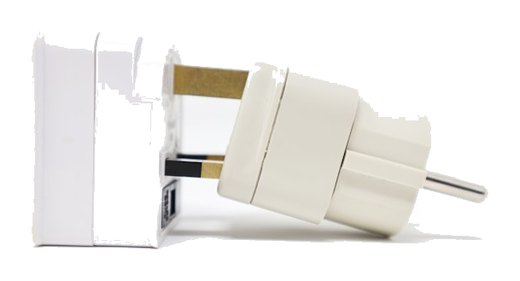
20W Charger$29
Skip items the visitor already…is viewing nowPDPhas in carthas purchased before
YOU MAY ALSO LIKE
MOST POPULARPAIRS WITH THIS MODEL
Pencil Stylus$99
−20%ONLY 3 LEFT
Wireless Keyboard$149
NEW INBEST SELLER
Earbuds$129
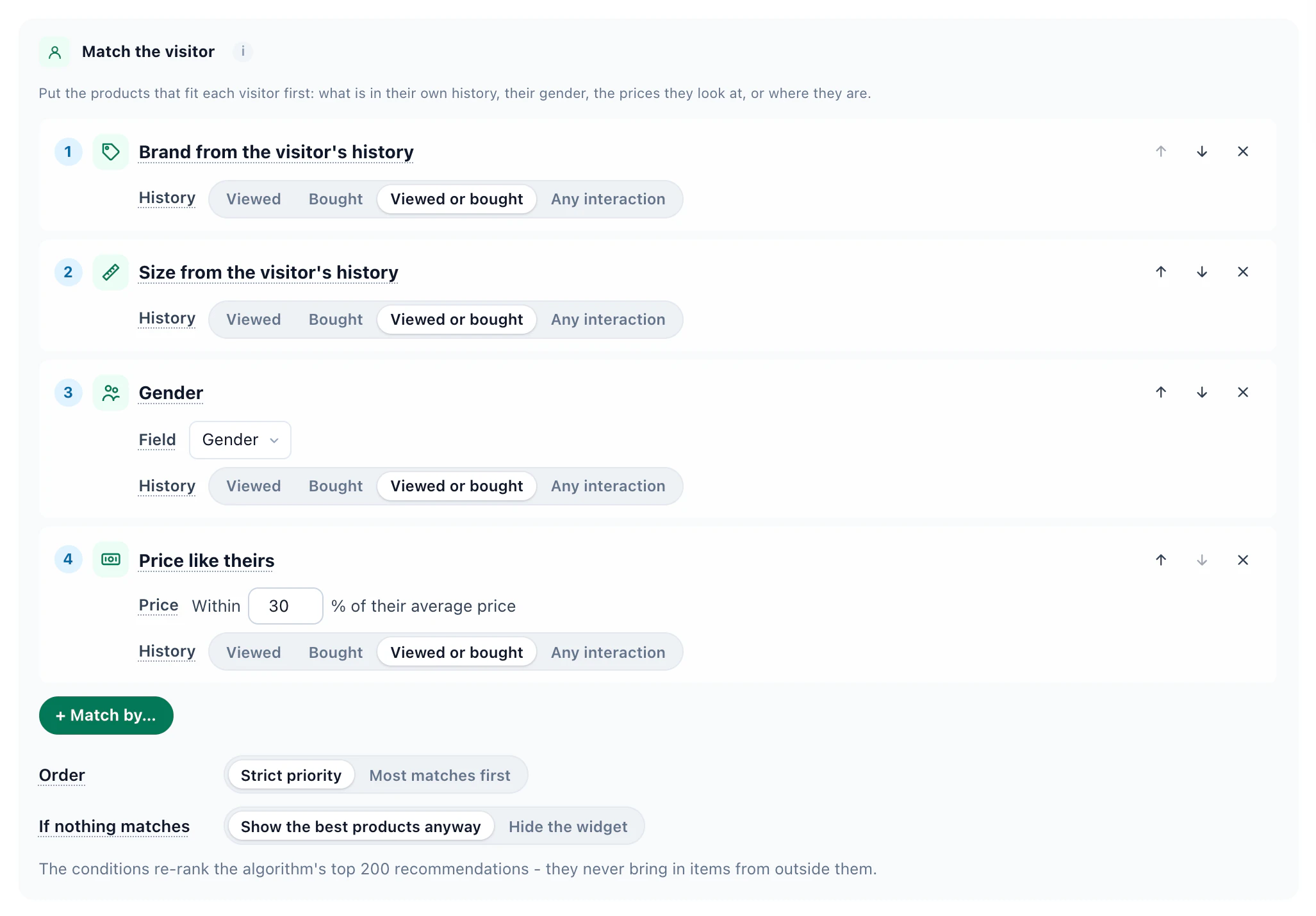
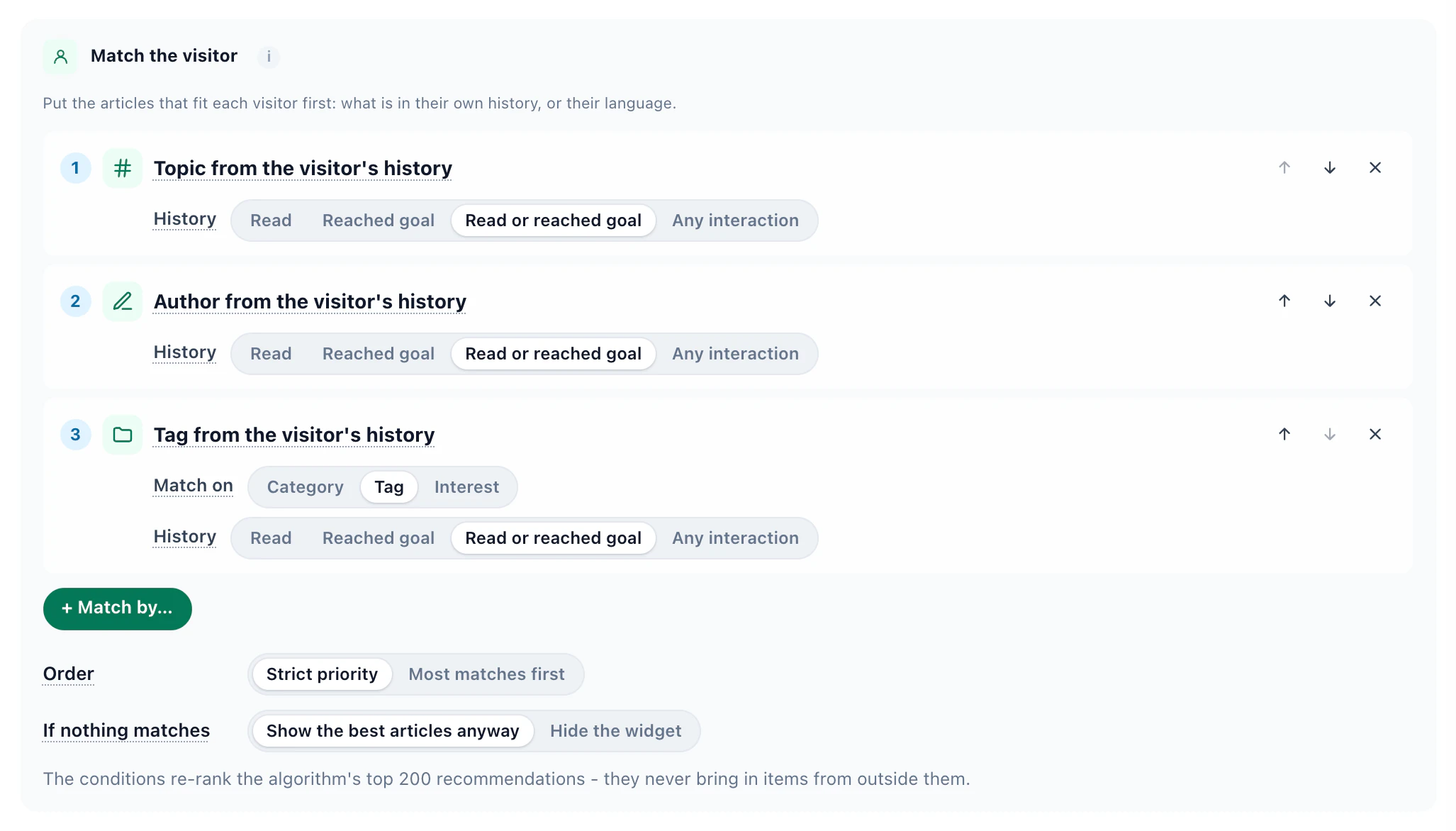
Match the visitor
The algorithm picks for the page. Match the visitor puts what fits them first.
Stack a few match rules on any recommendation widget — brand, size or category from the visitor’s own
history, their gender, prices like the ones they look at, where they are — and the products that fit each person move
to the front. The algorithm still leads: the rules re-order its own top picks, and never fill the widget with random items.
The rules, in the order you set
Brandfrom their own history
Sizefrom their own history
Genderunisex products still show for everyone
Price like theirswithin 30% of what they usually look at
OrderStrict priorityMost matches first
If nothing matchesShow the best anywayHide the widget
What one returning visitor seesThey viewed Northline jackets in size M, in the women’s range.
An example: the same four products the algorithm picked, re-ordered for this visitor. Another visitor
gets the same four in their own order — or only the matches, with the widget hidden when nothing fits.
The same rules wherever recommendations runOn your siteIn recommendation emailsIn the Canvas BuilderIn the JSON API & feeds
Fashion
Their size and gender first
“Similar items” that come in the visitor’s size and for their gender lead the row — unisex items still appear.
Electronics
Same brand, then their price range
The brand they keep coming back to first, then products in the range they browse — not the top of the line next to a budget shopper.
Local stores
Near them, or nothing
Products available close to the visitor first — or hide the widget when nothing is near.
Publishers
More from who they read
The authors and topics a reader follows come first in every “read next” row.
B2B
Their industry first
Content that matches the visitor’s company industry, from your own visitor data or a firmographic integration.
Merchandising
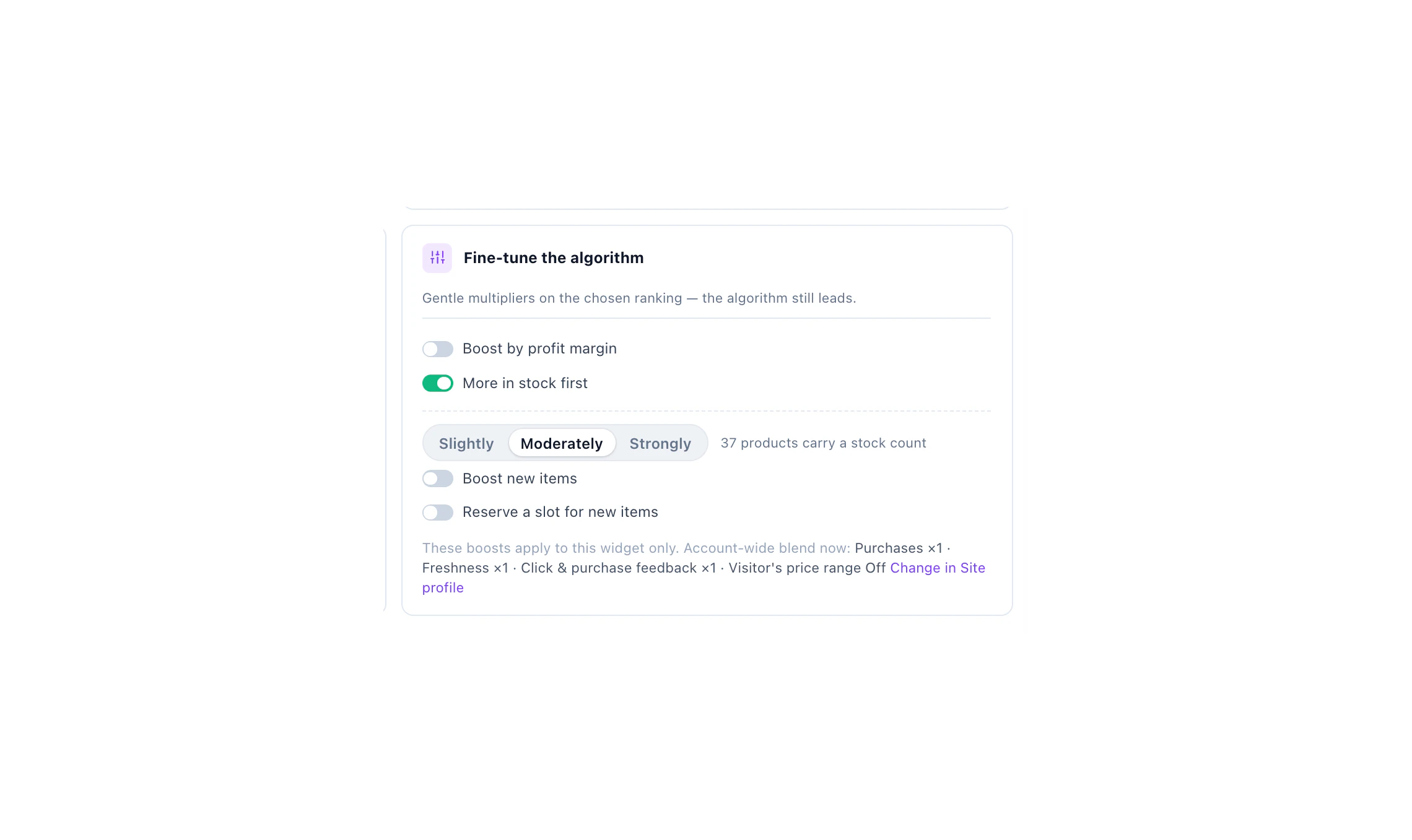
More in stock first
A gentle lift for products with more units on the shelf — nothing is hidden, and out-of-stock products are never recommended. How it works
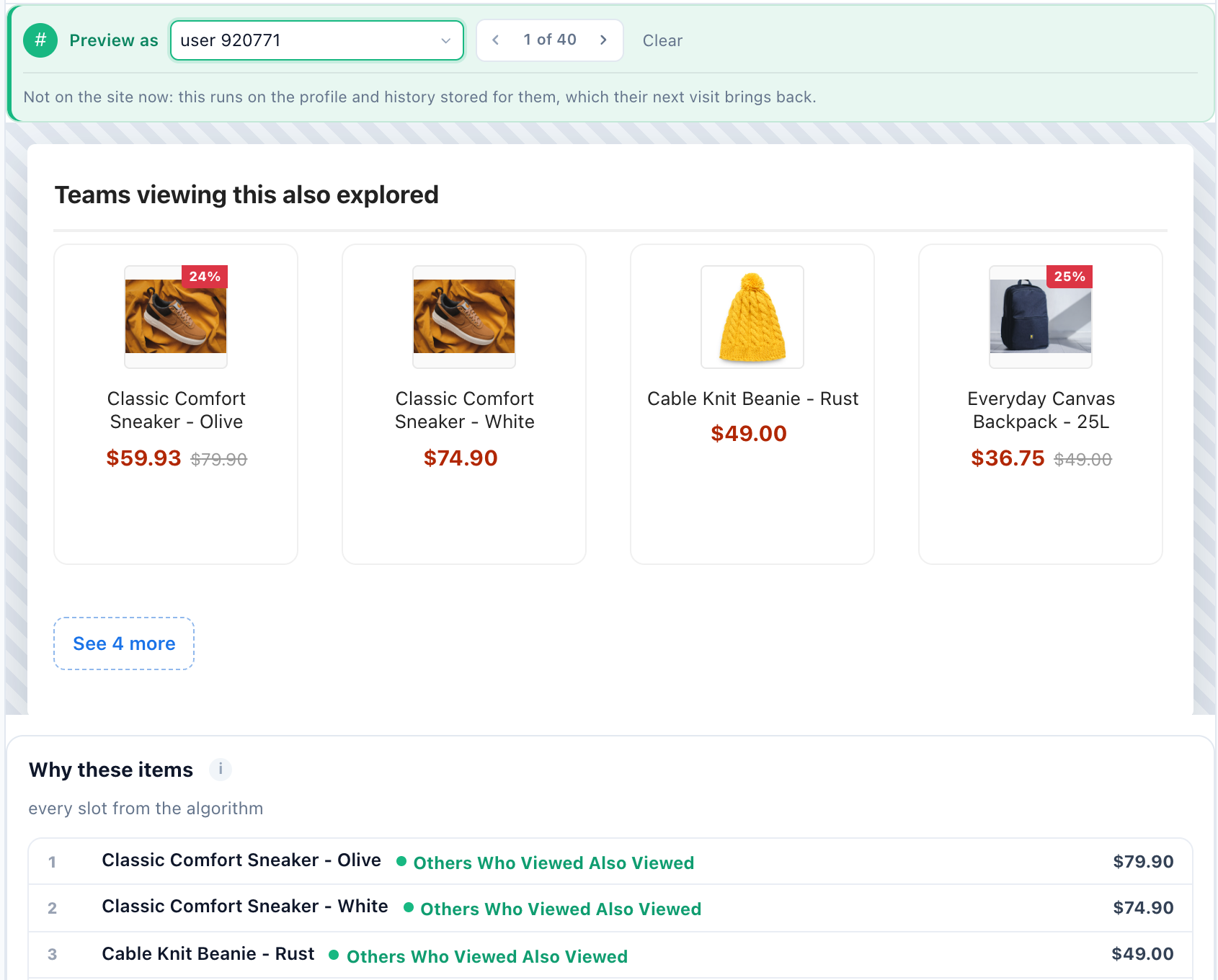
Pick a person and see the widget, the email or the promotion exactly as they would get it — with the reason for every item. No more publishing and hoping.
Preview asMayareturning · viewed outerwearor someone we know nothing about
Fjell Down Parka€229Viewed together
Ridge Quilted Jacket€189Viewed together
Lambswool Scarf€45Bought together
Harbour Bomber€149Fallback: best sellers
Why the last one? The algorithms found three items for Maya; the fourth slot came from the fallback, best sellers.
Pick a real person
Find a visitor or recipient, or choose “someone we know nothing about”, and see exactly what they would get.
See why each item is there
Which algorithm or fallback chose each pick, which of their fields a review matched, and why each other promotion was left out.
Test generic recommendations against AI-personalized picks head-to-head. Auto-optimization promotes the winner the moment it hits significance.
Test #312 · Cart-page recommendationsTest running · Day 11 of 14
Variation A · Generic best-sellers50%
Same picks for everyone
Modern Travel Backpack
$89.00
Chanel N°5 EDP 100ml
$120.00
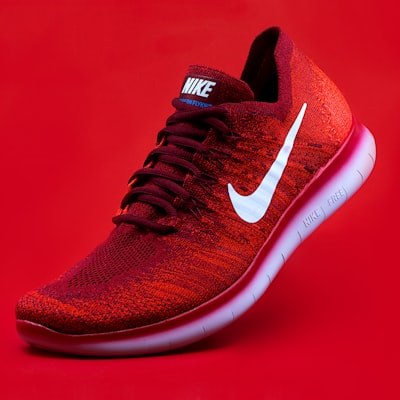
Nike Free Run Flyknit
$129.00
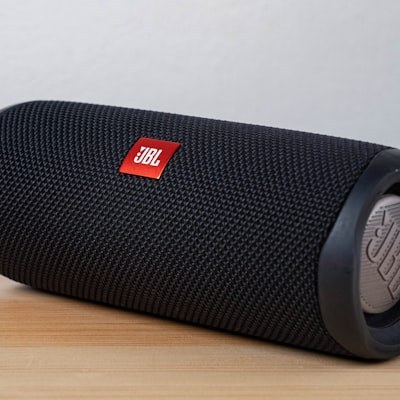
JBL Flip 5 Speaker
$69.00
Sessions12,840
Rec clicks540
CTR4.2%
Rec revenue$12,450
VS
WINNER
Variation B · AI-personalized50%
Personalized per visitor — e.g. for Jamie
iPhone 17 Pro 256GB
$999.00
MacBook Air M3 13"
$1,299.00
AirPods Pro 2
$249.00
Apple Watch Series 10
$429.00
Sessions12,798
Rec clicks1,447
CTR11.3%+169%
Rec revenue$39,820
Recommendation badges & personalization
Make every widget feel alive.
Layer dynamic badges and personal tags on top of any recommendation. Build trust with social proof, urgency with scarcity, and warmth with personal touches — all powered by your existing data.
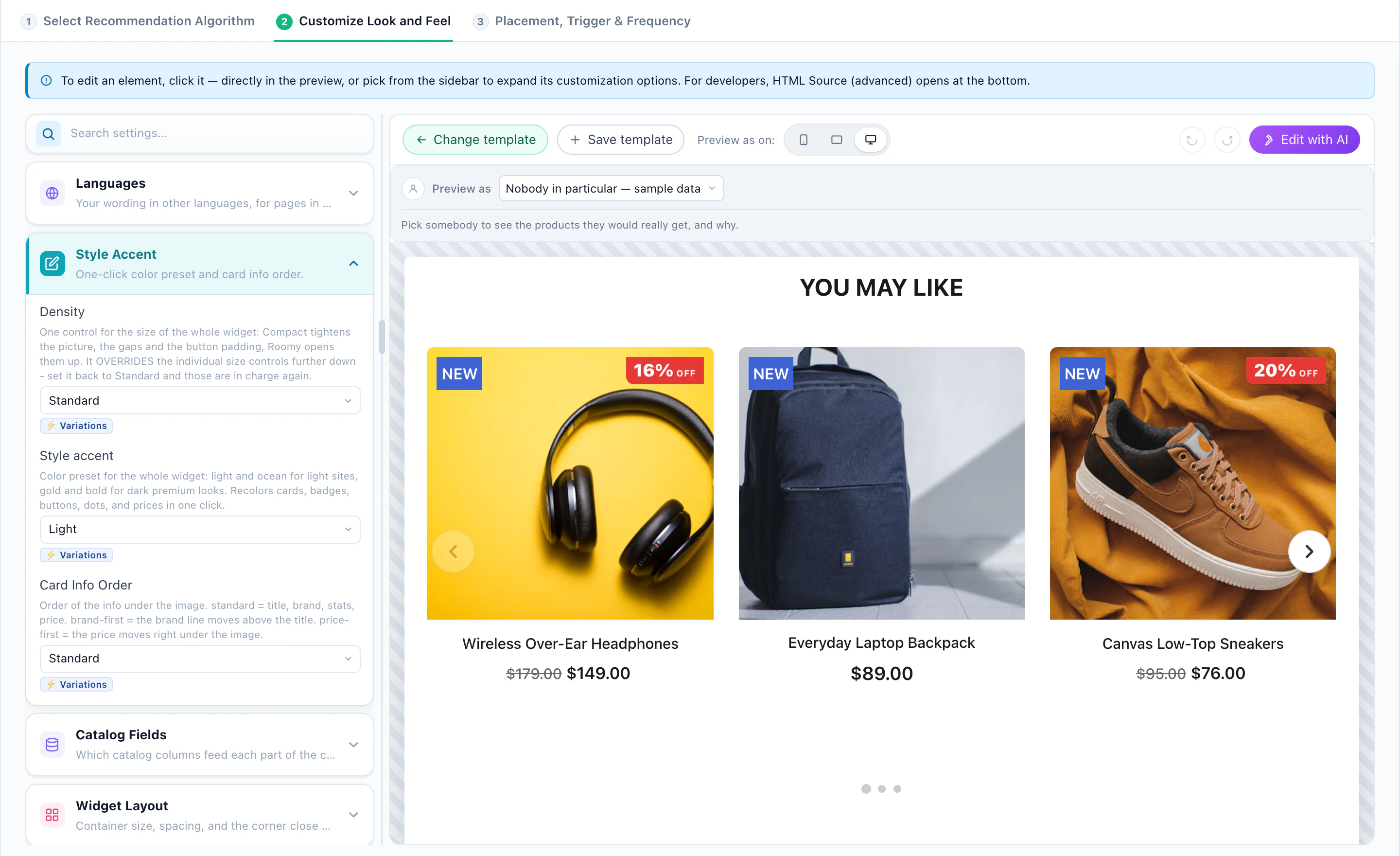
← Change template+ Save templatePreview as on:✦ Edit with AI
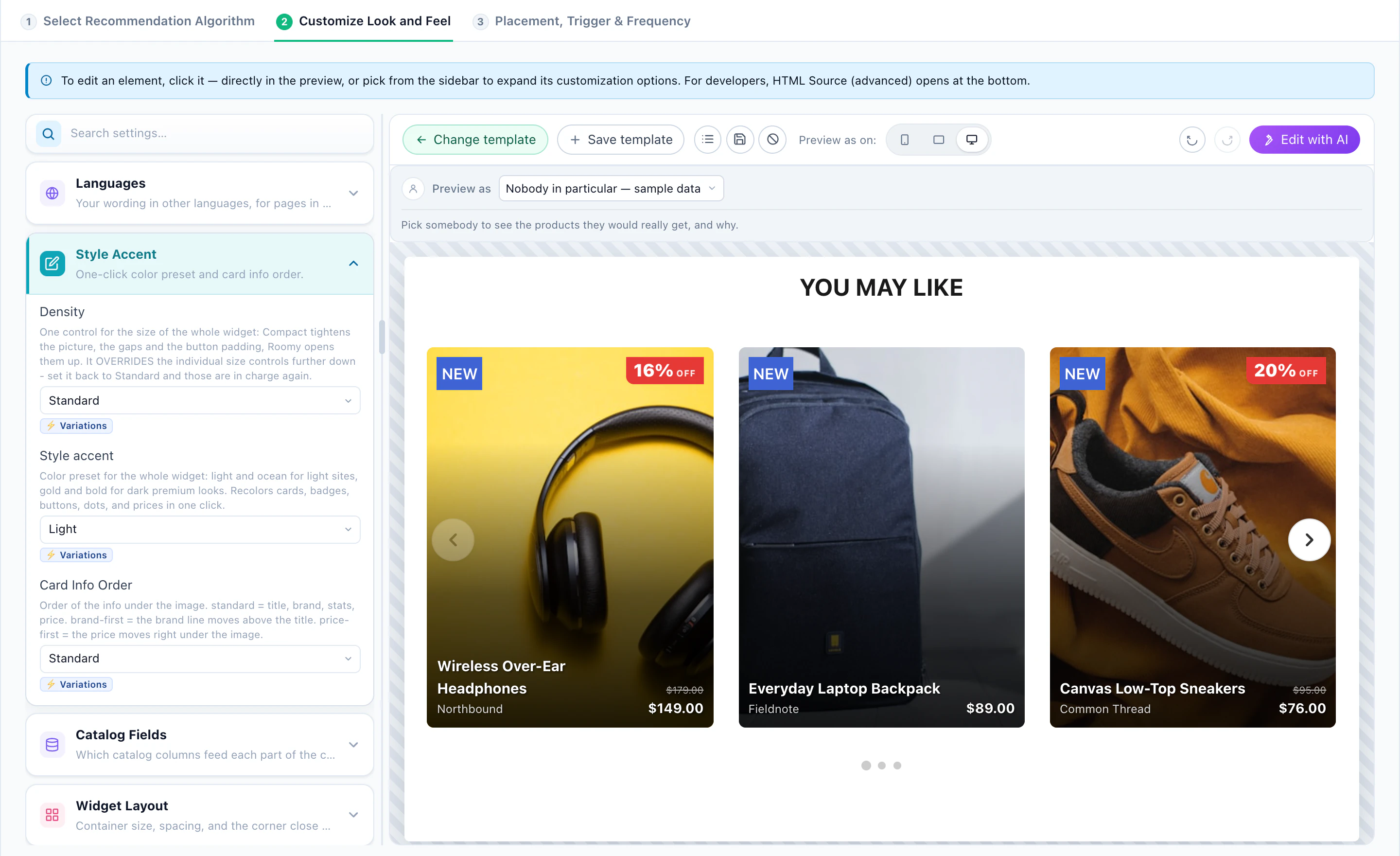
Style AccentOne-click colour preset and card treatment
Style accent
bold▾
⚡ VariationsCard info order
standard▾
⚡ Variations
Catalog FieldsWhich catalogue columns feed each slot
Widget LayoutContainer size, spacing and the grid
Widget Title & LogoThe heading above the products
Slider & NavigationItems per device, rows, breakpoints
Card & ImageCard box, image fit and size
Text Overlay (on image)Product name, subtitle and price
Corner BadgesDiscount, sale, price drop, stock
Stacked BadgesNew, popular, best seller, offers
YOU MAY LIKE
NEW
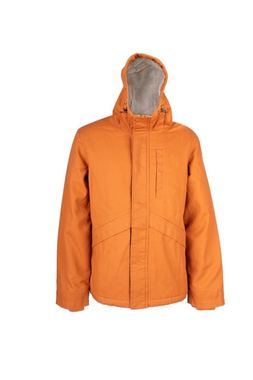
Alpine ParkaNorthline$248.00
24% OFF
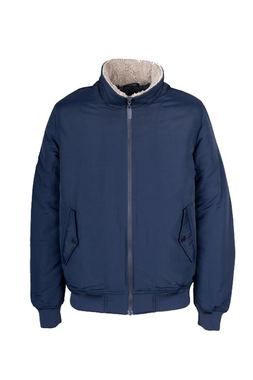
Sherpa BomberFieldwear$168.00$219.00
Best Seller
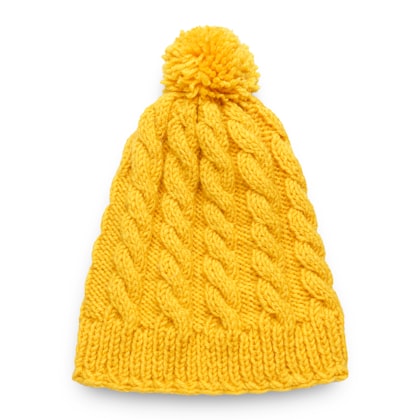
Cable Knit BeanieLoom & Co$34.00
Recommendation analytics
Track every click. Prove every dollar.
See exactly which recommendations drive revenue, and against what: orders and revenue attributed to each widget, measured against visitors who saw none. These are the real screens and videos — the results, the setup, the templates you start from, recommendations for articles, the checks before anything goes live, and the whole build, narrated.
ResultsSetupTemplatesContentCheckWatch
Open full size ↗
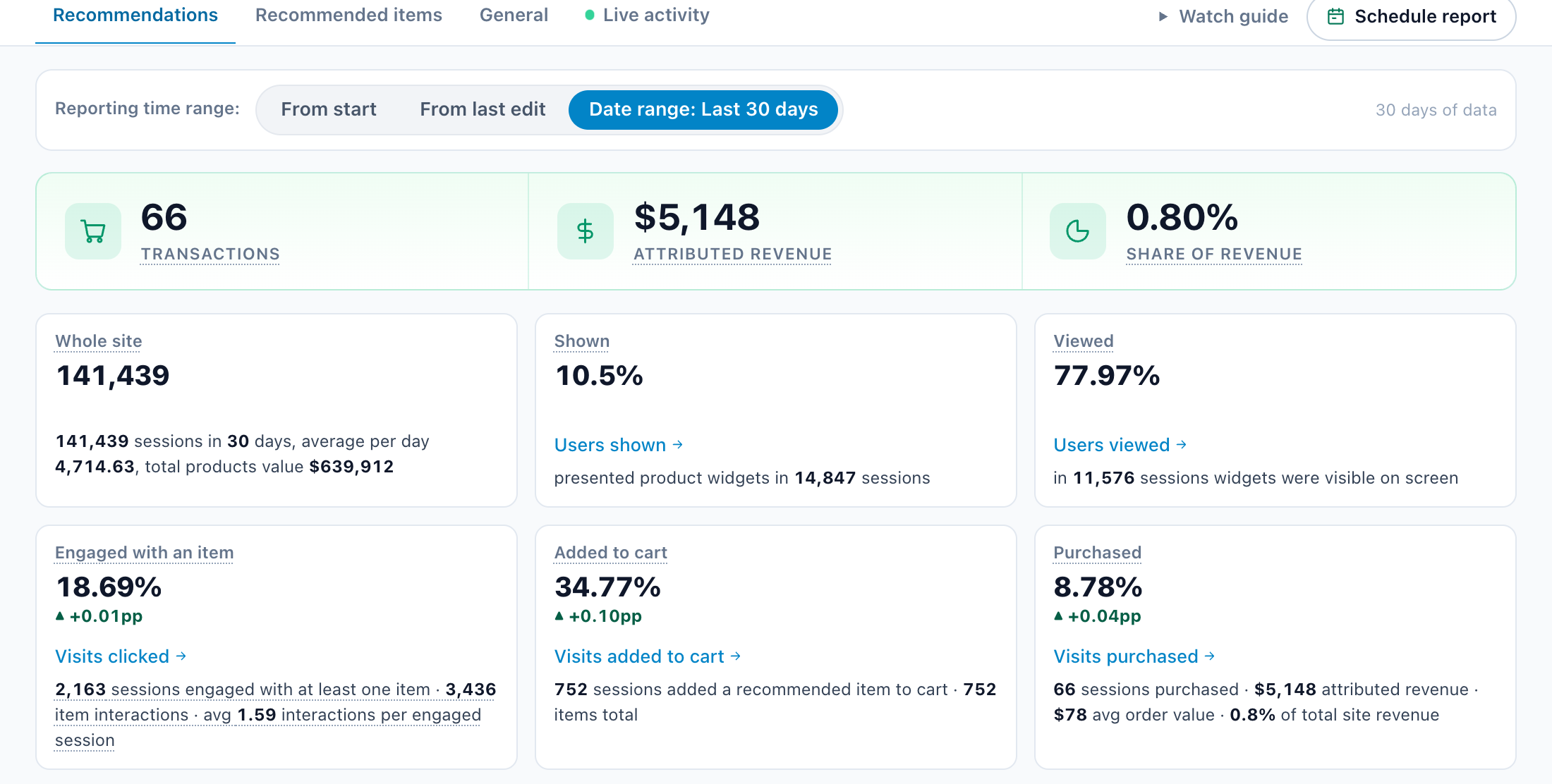
Results
Revenue the widget brought in
Orders and revenue attributed to the widget, and the funnel behind them: how often it was shown, seen, engaged with, added to the cart and bought from.
Setup
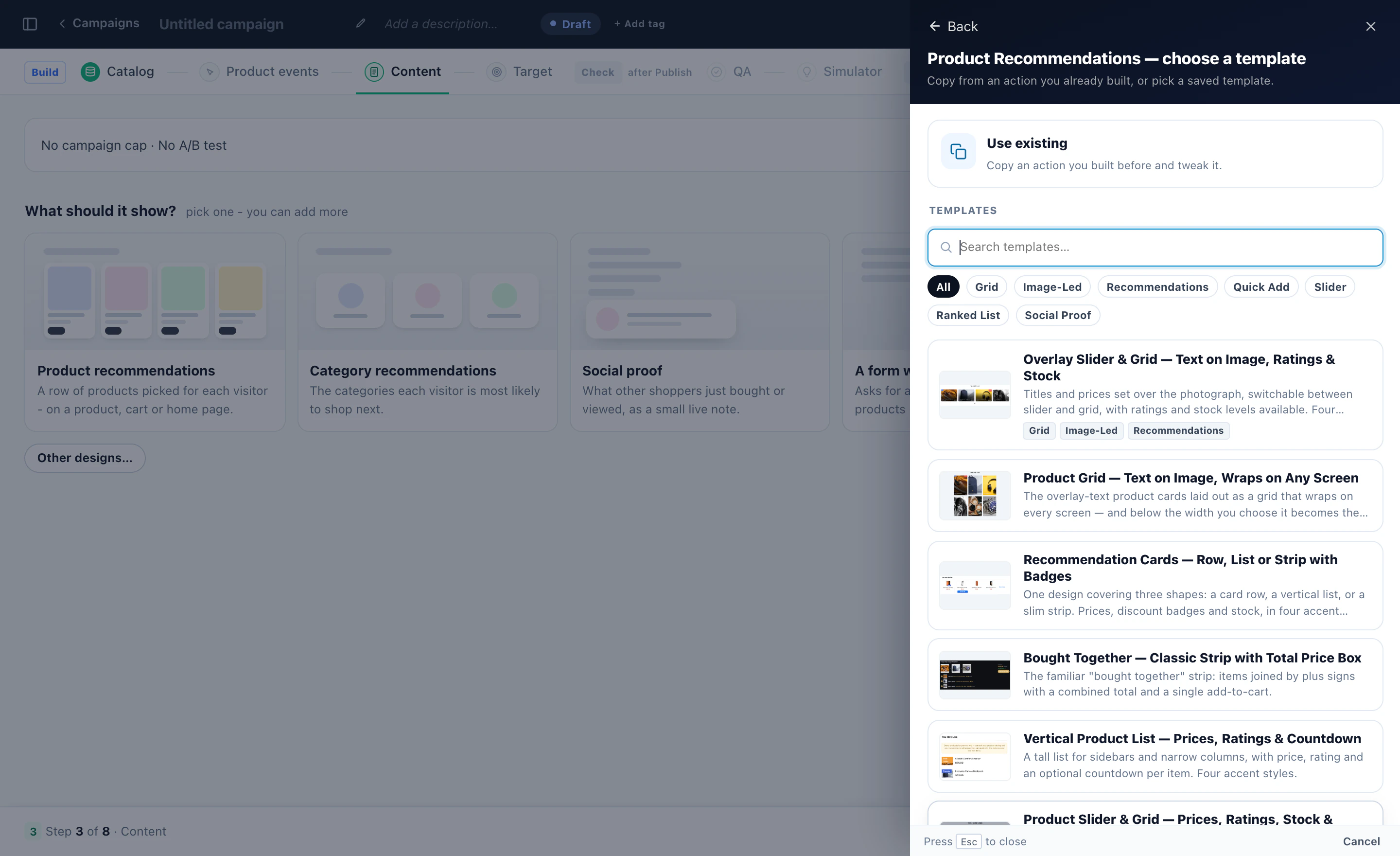
Start from what it should show
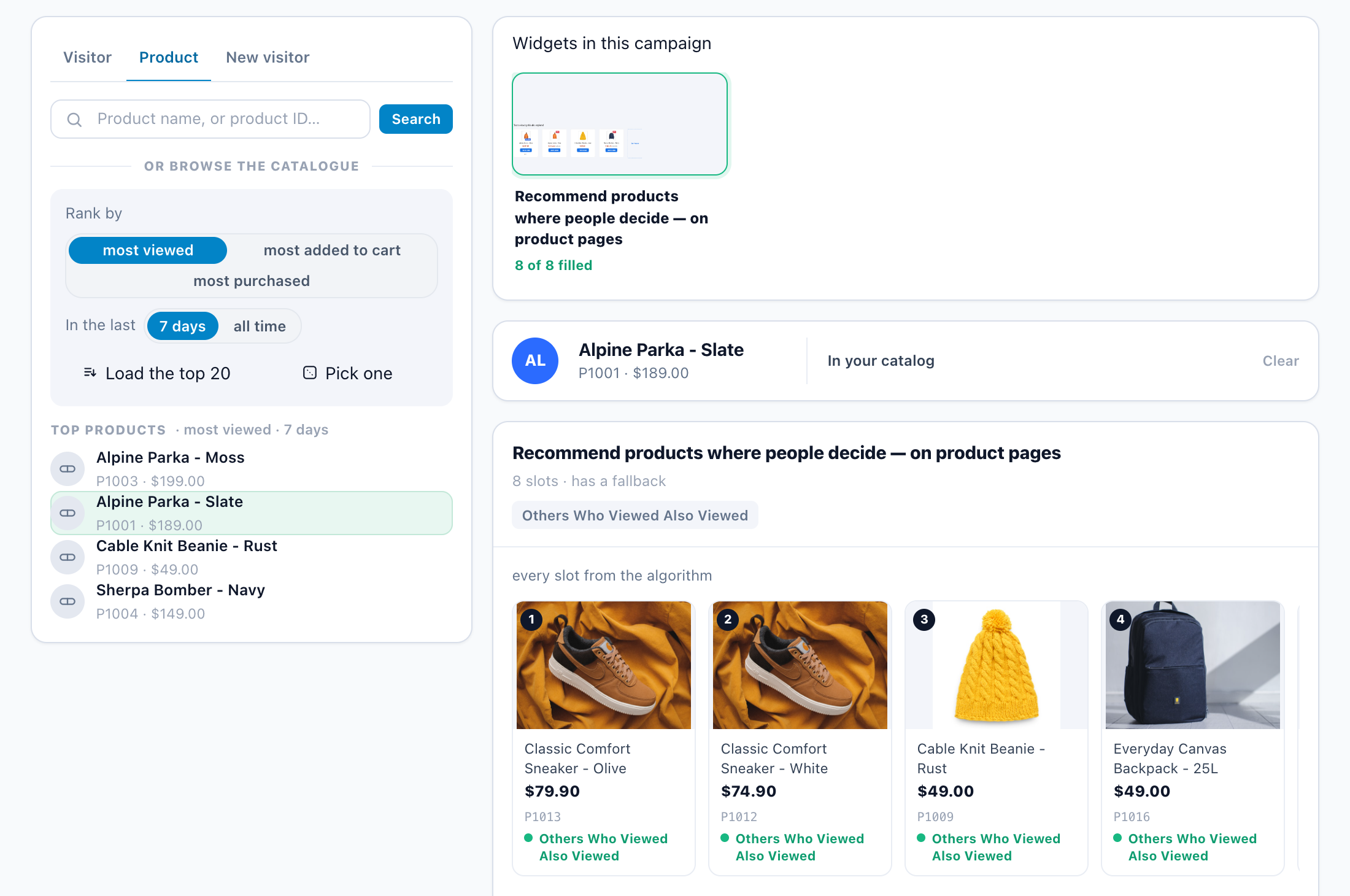
A new campaign asks what it should show. Pick Product recommendations and choose the template it starts from — or copy a widget you already built.
Setup
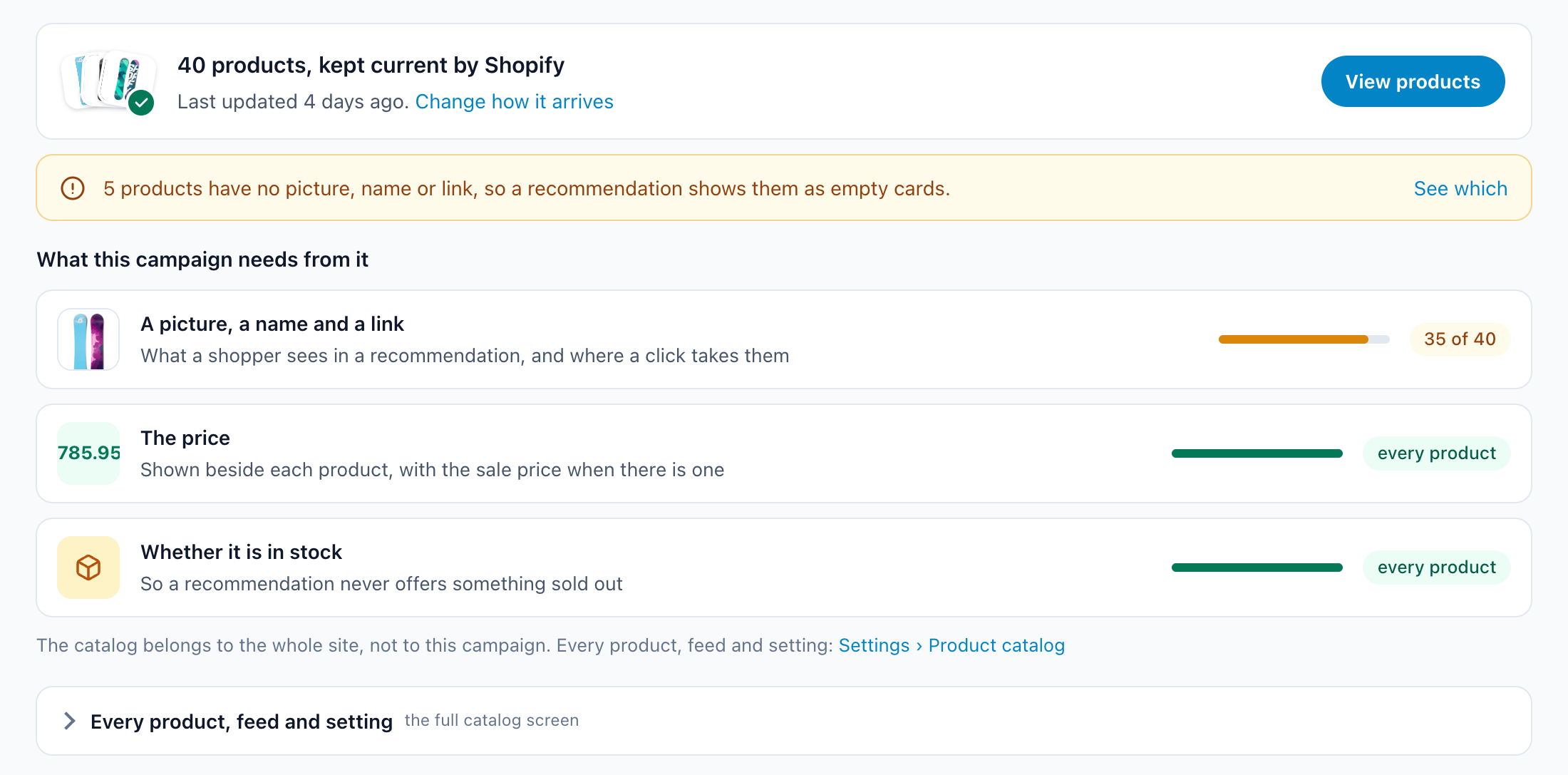
Your catalog, checked first
What the campaign needs from it — a picture, a name and a link, the price, the stock — and which products would show up as empty cards.
Setup
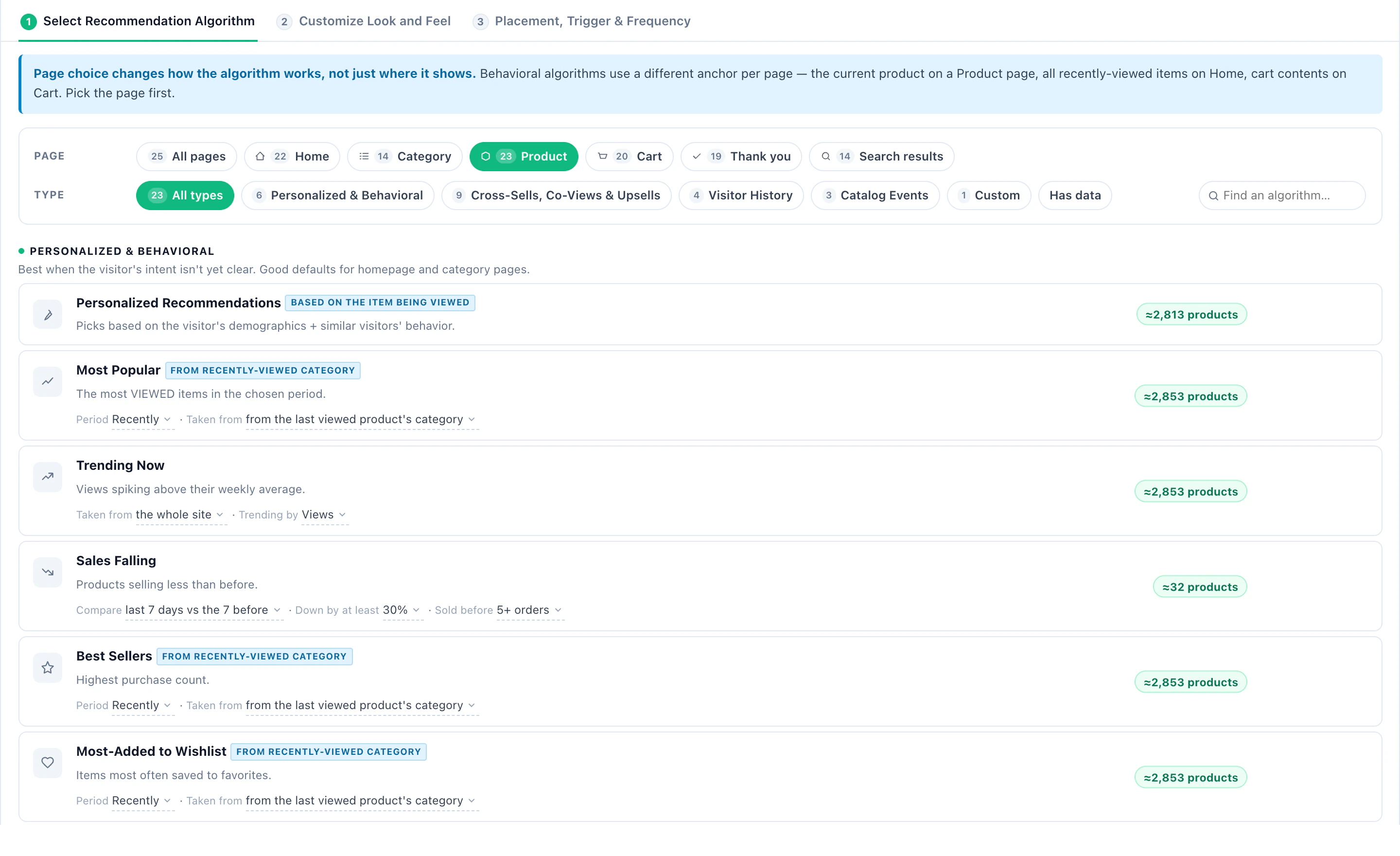
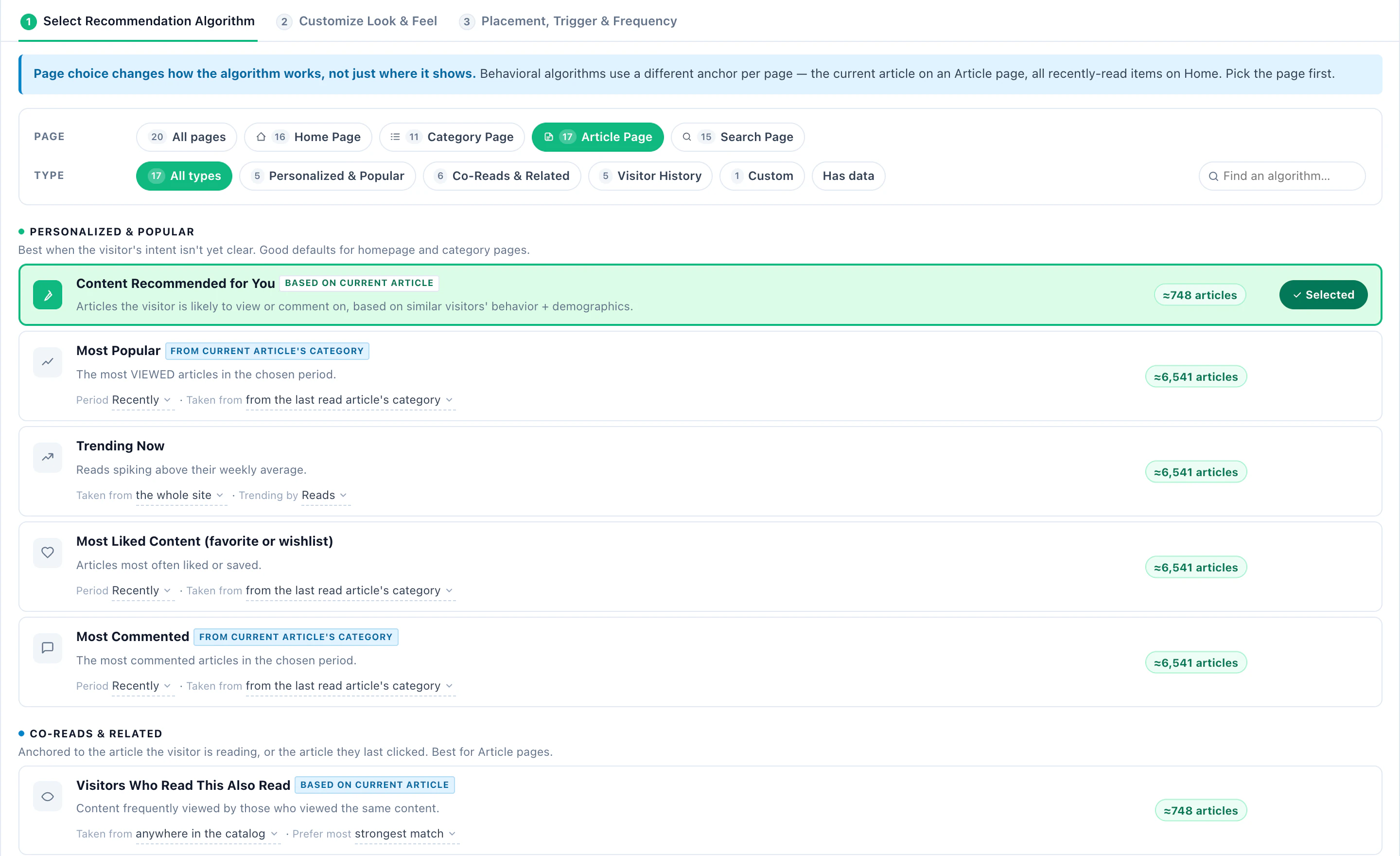
Twenty-five algorithms, sorted by the page
Pick the page first — home, category, product, cart, thank-you, search — and see the algorithms that work there, each with how many products it already has data for.
Setup
The algorithm, its fallbacks, and what it skips
How the items are chosen, the fallbacks that fill an empty slot, what to leave out — and how many products can be recommended at all.
Setup
What fits each visitor, first
Stack rules — brand and size from their own history, gender, a price like theirs — rank them in strict order or by most matches, and choose what happens when nothing fits. The algorithm still picks the products.
Setup
More in stock first
A gentle lift for products with more units on the shelf — it moves inventory without hiding anything, and the algorithm still leads.
Templates
Every template opens in the editor
The widget on the right, its settings on the left — size, colors, what each card shows and in which order. Click any part of the preview to edit it.
Templates
Text on the picture
The name, price and rating set over the photograph. Change template swaps the look; the products and the algorithm stay as they are.
Templates
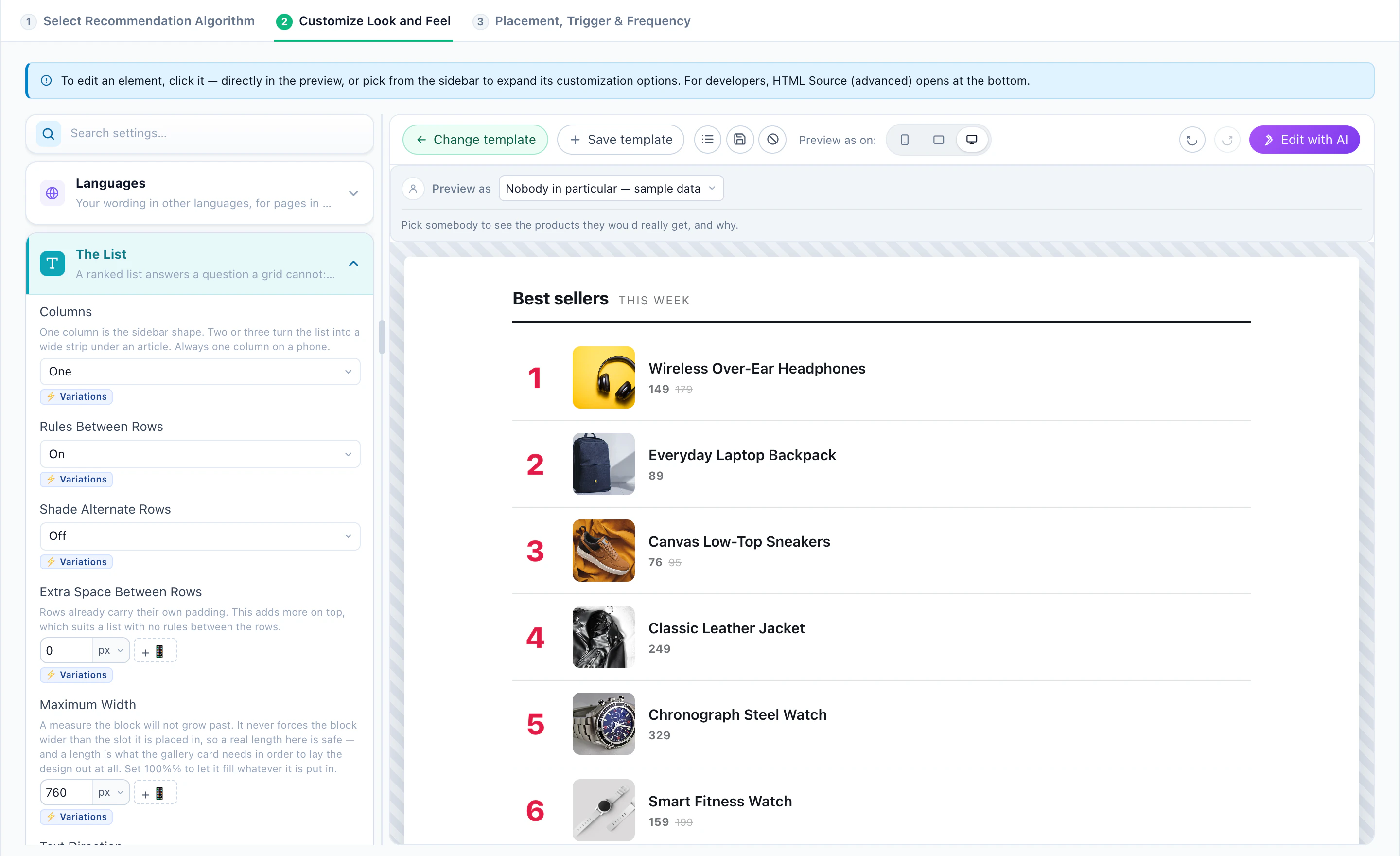
A ranked list
Numbered, with the picture, the name and the price — one column for a sidebar, or two or three across under an article.
Templates
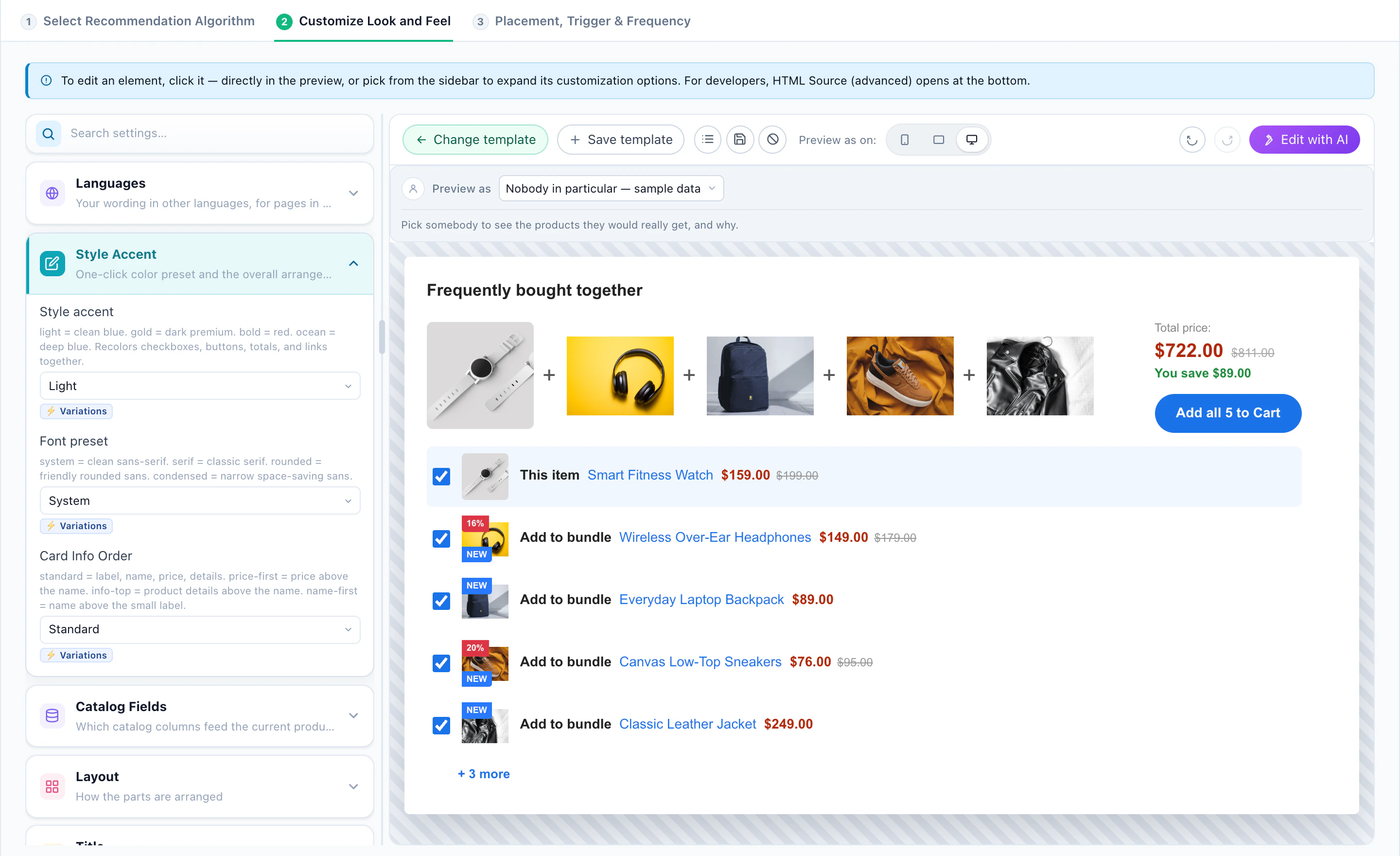
Bought together, one click to the cart
Items joined by plus signs, the combined price and what it saves, a checkbox on every item and one Add all to cart.
Content
Articles have algorithms of their own
Twenty for content: what readers of this article read next, the most popular in its category, trending reads and more — each with how many articles it has data for.
Content
More from the topics and authors they read
The same rules for articles: topic, author or tag from what the reader has already read, ranked in the order you set.
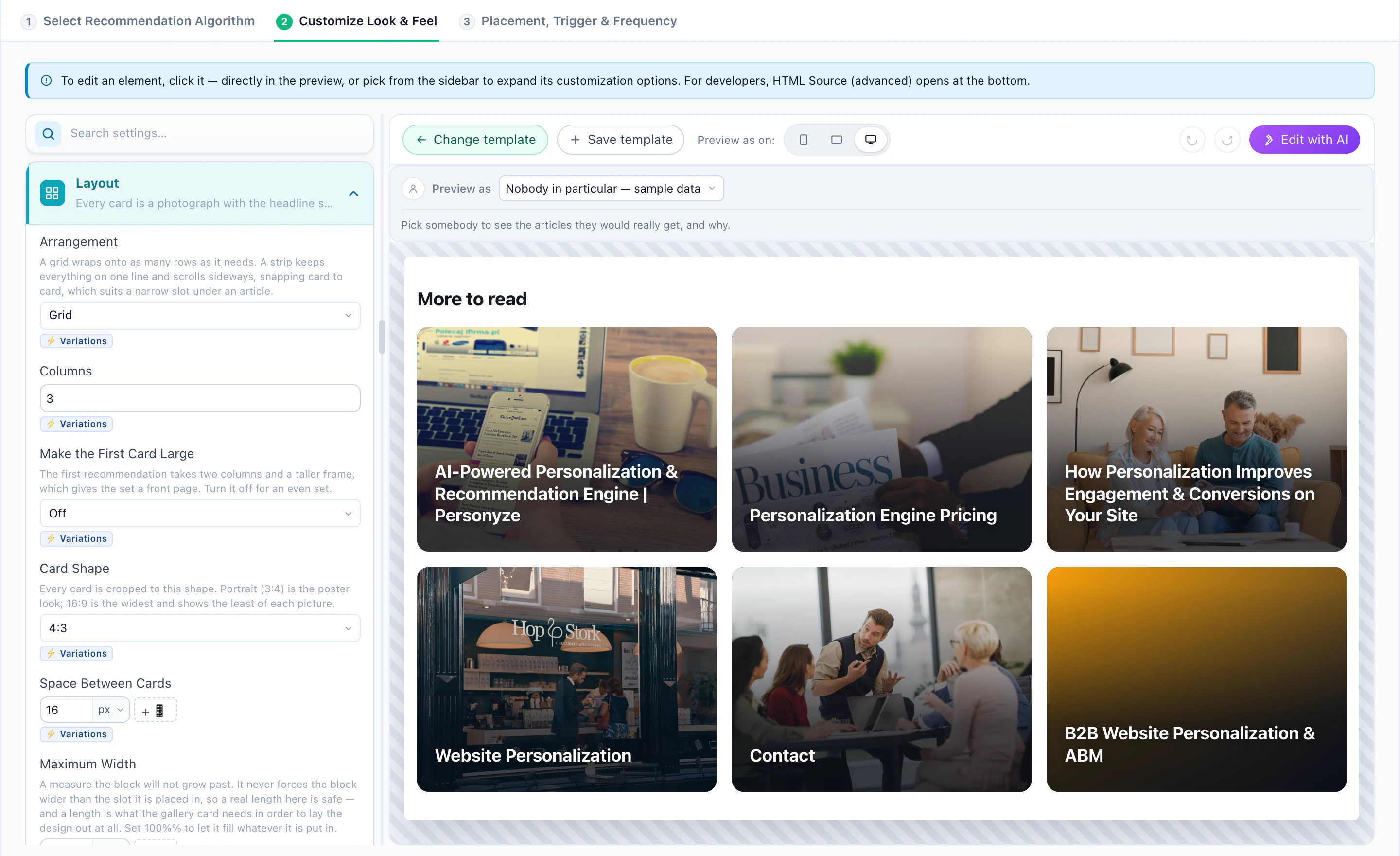
Content
Headlines on the picture
Article cards with the headline over the photograph. Columns, card shape and the space between them are set in the sidebar.
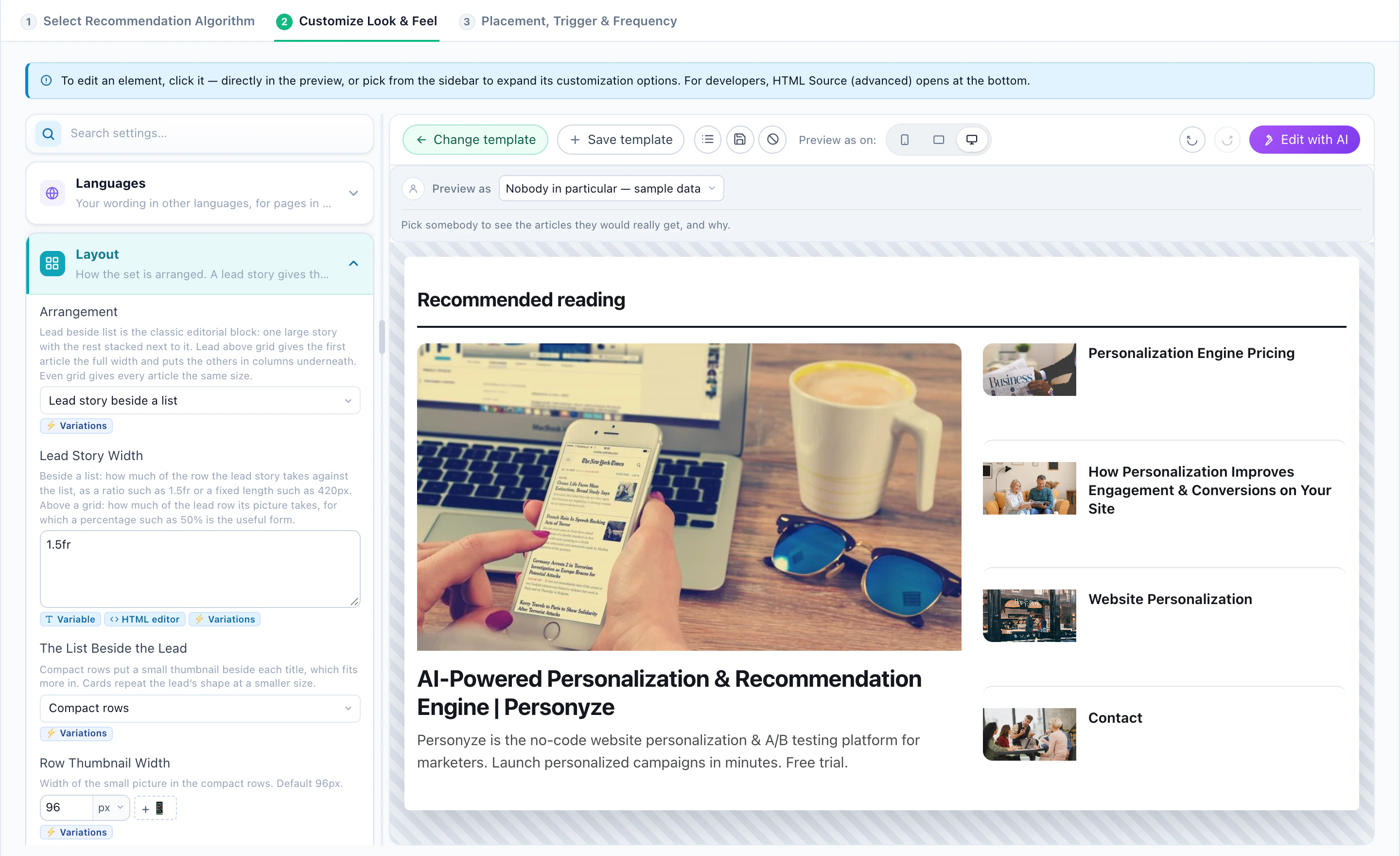
Content
A lead story beside a list
The classic editorial block: one large story with the rest stacked next to it — or the lead across the top and the others in columns under it.
Check
Preview it as any shopper
Pick a real visitor and see the products they would get, with the algorithm or the fallback behind every slot.
Check
Try it on any product
Run the algorithm for one product, one person or a newcomer — including settings you have not saved yet.
Watch
The whole build, in three minutes 3:02
From the product catalog to the widget on the page, narrated in the real panel.
Watch
Filters, fallbacks and titles 4:17
The filters and fallbacks that keep every row full, and a title for each algorithm that stays true to what is in it.
Watch
What the recommendations sold 0:34
The report: the funnel, the revenue attributed to the widget, and the products it sold.
1 / 20
Screens from the Personyze panel: demo accounts, sample products and our own articles. The numbers are illustrative.
1,500+
Brands serving recs with Personyze
32%
Average AOV lift on personalized recs
4.6/5
G2CapterraCrozdesk
Average rating on G2, Capterra & Crozdesk
How it works
From product feed to live recommendation in five steps.
Set up once, then let the engine learn and improve. No data engineers, no ML team, no rebuilds — just measurable lift on day one.
01
Step 1 · Foundation
Connect your catalog
Sync product or content data via Shopify, Magento, WooCommerce, BigCommerce, or any REST API. We handle inventory updates, pricing, attributes, and stock in real time.
SourcesE-commerce platforms · CMS · CSV feed · API
02
Step 2 · Targeting
Choose context & segment
Pick the page (PDP, category, cart, article, homepage) and the visitor segment (new, returning, high-value, mobile, etc). Or run for everyone.
ExampleCart page · Returning shoppers > $200 LTV
03
Step 3 · Algorithm
Pick the algorithm or let AI decide
Collaborative filtering, content-based, frequently-bought-together, trending, recently-viewed, or full AI auto-blending. Each scenario has a recommended default.
MixCollaborative + Content + Trending + AI ranker
04
Step 4 · Validate
Preview, simulate, then go live
Test recommendations in our Sandbox simulator with real visitor data. Share preview links with stakeholders. Roll out by traffic percentage when you’re ready.
ModesSandbox · Preview links · Gradual rollout
05
Step 5 · Live
Recommendations served in milliseconds
Every visitor gets the right products, articles, or content for them — computed in under 50ms and tracked back to revenue. The engine learns and improves automatically.
Result< 50ms response · tracked to revenue
What you get
Everything you need to run recommendations.
From step-by-step onboarding to ROI tracking, every piece of the recs workflow lives in one platform — backed by a team that’s been doing this since 2008.
Catalog connection, widget placement, algorithm selection, and first-go-live — all guided by a dedicated success manager. Most teams ship recs within 5 days.
Customizable widgets
20+ widget types — carousels, grids, stripes, popups, banners — all themeable to match your brand. No design or dev needed.
API & integrations
Native connectors for Shopify, Magento, WooCommerce, BigCommerce, Salesforce, HubSpot — or roll your own with our API and webhooks.
Revenue & ROI tracking
Every rec click tied to a real order. See revenue by widget, page, algorithm, and segment. Custom KPIs for whatever your team measures on.
Set and forget
Algorithms self-tune based on performance. The engine learns from clicks, conversions, and revenue and continuously improves — no manual retraining.
Flexible billing
True pay-as-you-go. Pricing scales with monthly visitors and active campaigns — not by catalog size or rec impressions. 30-day money-back guarantee.
ROI calculator
See what recommendations are worth on your site
Estimate the lift from bigger baskets, better discovery, and repeat purchases — in about a minute.
Collaborative filtering, content-based (semantic similarity), trending/bestsellers, recently-viewed, frequently-bought-together, complete-the-look, and full AI auto-blending that picks the best mix per visitor automatically. Each scenario has a sensible default; you can override per widget.
What platforms does Personyze work with?
Personyze is fully platform-agnostic. It works on top of any CMS, e-commerce platform, or web framework — including Shopify, Magento, BigCommerce, WooCommerce, Salesforce Commerce, WordPress, Webflow, custom React or Vue apps, and headless setups. Integration is a single JavaScript snippet, with no database changes or replatforming required.
For data, Personyze plugs into your existing martech stack: Google Analytics 4, Mixpanel, Segment, Amplitude, HubSpot, Salesforce, Marketo, ActiveCampaign, and any tool that exposes a REST API or supports webhooks. You can pull visitor signals via product feeds, CRM syncs, CDP integrations, or custom JavaScript — whichever fits your architecture.
How long until recommendations start performing?
Most teams see meaningful lift in the first 7–14 days. Trending and bestseller widgets work from day one. Personalized algorithms need a small history of clicks & conversions to tune themselves — usually about a week of normal traffic.
How do you handle new products with no history? (Cold-start)
New products are surfaced via content-based similarity (matching attributes, category, price band, description) until they accumulate enough behavioral data to enter the collaborative model. You can also boost them manually.
What’s the response time for serving recommendations?
Under 50ms p95 from a global edge CDN. Recs render before the page paints — no flicker, no lazy-load delay. Architected for high-traffic sites with millions of monthly visitors.
Can I A/B test recommendations?
Yes. Built-in A/B testing with traffic splits, real-time stats, and auto-promotion at statistical significance (95% confidence by default). Test algorithms, widget placements, copy, layouts, or rec counts. Auto-deploy the winner the moment significance hits.
Does it work with headless commerce?
Yes. Use our JS SDK, REST API, or GraphQL endpoint to fetch recs server-side or client-side. Works with Next.js, Remix, custom React/Vue/Svelte, native iOS/Android apps, and any backend stack.
How do you track revenue from recommendations?
Every rec impression and click is attributed to a real order via cart-level tracking. We tie back to actual closed orders, not just clicks — with last-click and assisted-revenue models. Custom KPIs supported.
Do you work for content sites without products?
Yes. Content recommendations are a first-class use case — related articles, popular reads, topic clusters, editor’s picks, “you might also like.” Common for publishers, knowledge bases, learning platforms, and media sites.
Can I customize the look of the widgets?
Fully. Widgets ship with 20+ templates you can theme to match your brand, or you can write custom HTML/CSS. Inherits your site fonts, colors, and spacing automatically. Use our visual editor or your own designer.
What about open-time email recommendations?
Yes. Recs compute at the moment the email is opened — not at send time. So if your visitor browsed something new between send and open, the email reflects it. Compatible with Mailchimp, Klaviyo, HubSpot, Salesforce Marketing Cloud, and any SMTP-based ESP.
GDPR, CCPA, privacy?
Personyze is GDPR-compliant and CCPA-compliant. Cookie-less recommendations are available for jurisdictions with stricter requirements. Anonymous-visitor recs are based on session behavior; identified-visitor recs respect whatever consent your CMP tracks.
How does pricing work?
Pricing scales with monthly visitors and active campaigns — not catalog size or rec impressions. Enterprise plans include dedicated CSM and white-glove onboarding. 30-day money-back guarantee, no annual lock-in.
Does the recommendation engine work with the rest of Personyze?
Yes — it’s one engine shared across the whole platform. The same recommendations can render inside open-time emails sent through your existing ESP, the visitor signals that power them come from behavioral targeting, and you can A/B test algorithms and placements against each other to prove revenue lift. One tag, one visitor profile, every channel.
Get started
Recommend the right product, and the right content. Every time.
AI-powered recommendations that learn what every visitor wants — and serve it across web, email, mobile, and ads in milliseconds.