
Pick up where you left off.
One home page, four returns: a first visit, a cart left three days ago, a category compared on Sunday, and a customer three months after buying an espresso machine. The hero, the product rows and the offer all follow what the store already knows. Switch the visitor below to see all four.
Built with Recently Viewed Algorithm — see the feature →
Things for the rooms you actually live in
Throws, lighting, cookware and coffee kit, chosen to be used every day. Take 10% off your first order with WELCOME10.
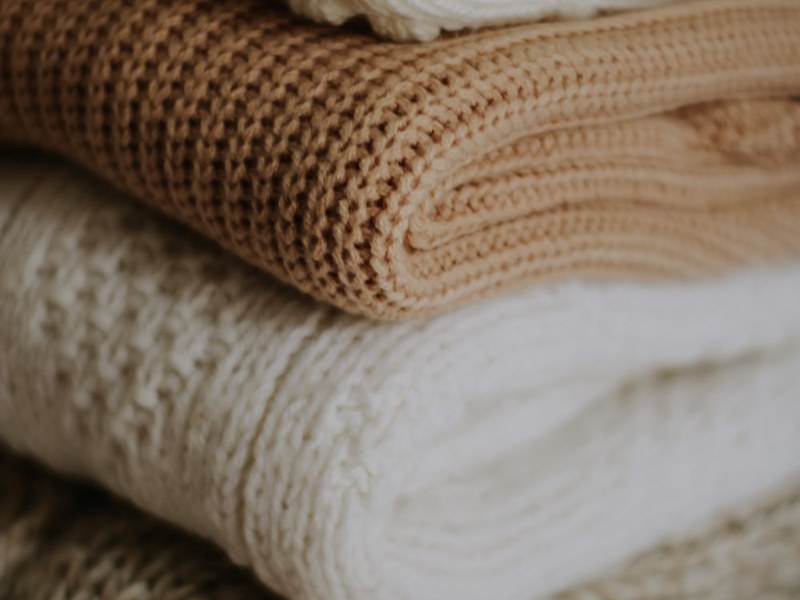

The throw is heavier than it looks online, in the good way. It has not left the sofa since.Verified buyer — Portland, OR
Visit count, cart, browsing and orders — one home page reads all four.
Count the visits
Every visitor has a profile from the first page view: the visit number, the days since the last one, and what is in the cart right now.
Keep what they looked at and bought
Categories and products viewed in earlier visits stay on the profile. Purchases come from the order history on the site, or from the CRM for known customers.
Swap the page, not just a banner
The hero, the product rows and the top bar each follow the visitor’s state — and the welcome offer is suppressed for anyone who has already bought.
Free AI tool · Inspire me
See ideas like this for your own site.
How Personyze welcomes each visitor back.
A first visit gets what is selling, and one welcome code
With no history there is nothing personal to show, so the rows are trending products and the top bar carries a first-order code. It is one fixed code, WELCOME10, the same for everyone — nothing is generated per visitor.
A saved cart leads the page
The two items this visitor added on Friday are read from their profile and put first, with a checkout button, and the row under them is bought-together for exactly those items. The welcome code is mentioned again because this visitor has still not ordered.
One category browsed, one category first
Three cookware pages opened on Sunday turn the hero into a cookware hero and the first row into those three items, from the recently-viewed algorithm, in the order they were looked at.
A customer gets what fits what they own
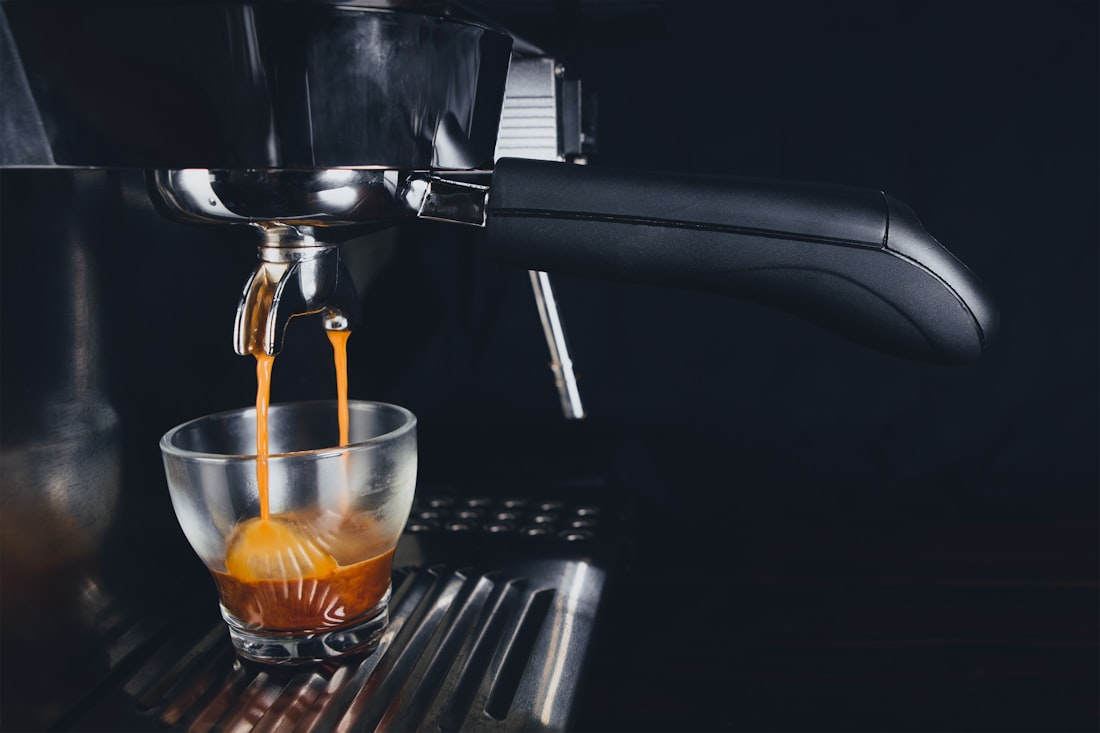
A purchase in the espresso-machine category more than ninety days ago switches the row to refills and accessories for that machine — beans, a milk jug, a grinder, cups — and the hero to the descale that is due by now.
The welcome offer knows when to stay away
The first-order code is an audience like any other: shown to visitors with no orders, suppressed for anyone with a purchase on record. Dana sees no discount she cannot use, and the store does not pay one to a customer who was coming back anyway.
See how it is built, and where else it fits
Questions about this example
How does Personyze recognize a returning visitor?
Every visitor gets a profile on the first page view. The visit count, days since the last visit, pages and products viewed and items added to the cart stay on it between visits, and purchases come from the order history on the site or from a CRM import for known customers.
Where do the recently viewed items come from?
From the recently viewed recommendation algorithm, which reads the products this visitor opened in earlier visits. In this example it is combined with a condition on the category they browsed, so the hero and the first row both switch to cookware.
Can the first-order offer be hidden from existing customers?
Yes. The welcome banner is targeted at visitors with no purchase on record, so anyone whose order history contains a purchase never sees it. The code itself is one fixed code for everyone; Personyze decides who is shown it.
Welcome people back properly.
Lead with the cart they left, the category they were comparing, or the refill that is due — and keep the first-order offer for people who have not ordered yet.