





Your audiences become segments
Targeting rules you write, and the audiences AI discovers in your own data, can decide who sees which version.
While they’re on your site
AI Website PersonalizationContent and offers for each visitorB2B PersonalizationEach company sees its own industryProduct RecommendationsWhat each shopper wants nextContent RecommendationsThe next article each reader wantsA/B TestingA winning version for each audienceDynamic Landing PagesPages that match the ad they clickedAI Search & Chat AgentAnswers from your own pagesBanners & Pop-UpsShown by behavior, source, locationAI Promotion ManagerAI picks each shopper’s best offerSocial ProofLive ratings, stock and recent buysReach them after they leave
Email PersonalizationEmail series, picked for each readerPush & SMSTriggered by what they just didHosted Landing PagesPer-visitor pages, hosted by usKnow who they are
Behavioral TargetingAudiences that update themselvesAudience DiscoveryBuyers you didn’t know you hadWebsite AnalyticsSessions and revenue, per personWhat visitors tell you
Reviews & TestimonialsReviews from 17 sites, per visitorSurveys & NPSAsk a question; use every answerAI Chat AgentAnswers, then hands over to peopleMeeting SchedulerThe right visitors book a callAI tools and your stack
Personalization PlatformEvery tool on one visitor profileAI AgentDescribe a campaign; it drafts itIntegrationsHubSpot, Salesforce, Segment, GTMApp MarketplaceBuilt-in and reviewed partner appsAPIs, SDKs & AutomationREST API, server and mobile SDKsMCP ServerRun Personyze from your AI assistantPersonal pages turns one website into a version for each kind of visitor. Personyze reads your site and finds who visits it, then AI writes each page’s key parts for every group. You approve; each visitor sees the version written for them, measured against the original and improving on its own.
Not sure where to start? See personalization ideas for your site 4.8
 4.6
Dashboards, reports and alerts in one place.
Start a free trialSales, stock and promotions on one screen.
See the retail demoSee which pages and campaigns turn into deals.
Book a pipeline reviewWhite-label reports your clients open themselves.
See agency plansEveryone on the team uses it, every day.Dana R., operations lead
Every store manager finally reads the same numbers.Head of ecommerce, Fieldstone
We can see which pages make pipeline now.Marketing ops lead, Kestrel Cloud
Client reports now build themselves.Founder, Studio Nine
No rebuild. Personyze reads the site you have, writes each audience its version and changes the key parts in place. Then it keeps measuring, and keeps improving.
Personyze opens your own pages and finds the parts worth changing: the hero, the header button, a pricing table, a list.
It proposes the groups who visit, from your site and its traffic. Keep them, rename them or add your own.
For each part and each segment, AI writes the words that speak to that group, in your site’s own voice, and can pick the picture.
Approve the versions you like, or let Auto-optimize approve them for you.
Nothing reaches visitors until you publish: first to staging, then live.
On every page view Personyze decides the visitor’s segment and shows the version written for it. No segment, the original page.
Sessions and conversions per segment, against the original. Versions that lose retire, and new ones are written to try.
Switch on the parts you want changed. Each visitor sees their version in place of yours, written in your site’s voice for the segment they are in.
Each part is switched on or off by itself. A visitor with no segment sees your page as it is.
Dashboards, reports and alerts in one place.
Start a free trialSee what sells, store by storeSales, stock and promotions on one screen.
See the retail demoEasy to set up, and the whole team uses it.Sam K., analyst
We report to every client from one place now.Founder, Studio Nine
Tell us what you need.
Talk to our B2B teamTell us about your pipeline goals.
Send30 minutes with our team.
Book a pipeline review30 minutes with a B2B specialist.
Tue 10:00Tue 14:30Wed 09:00Wed 11:30A headline, line, picture and button written for them.
A new hero look, in place or as a pop-up.
A line across the top that speaks to them.
The button in your header, in their words.
The plan that fits them, highlighted.
Products, plans or case studies reordered, theirs first.
A form heading and words for their team.
The meeting booker, in their words.
Logos of companies like theirs.
Reviews from people like them.
From the page they landed on, the ad they clicked, their company, or their own answer. You set the order; the first source that answers picks the version. When nothing answers, they see your original page.
The original stays in the test, so every result is a real comparison. Then Auto-optimize sends more visitors to what wins and replaces what loses.
Choose its share, from 5% to 50%. Every result is measured against it, so the lift is real, not assumed.
Sessions and conversions for every version, segment by segment, next to the original.
Auto-optimize approves the versions that win, retires the ones that lose, writes new ones to try, and pauses a segment where your original wins.
You approve what visitors see. Edit any version, ask for another, and publish to staging before you publish to live.
Your banned words, never used: cheapcutting-edgeworld-class
Approve, edit or rewrite any version. Banned words are never used.
Check the campaign on staging before visitors see anything.
Now every visitor in a segment sees the version you approved for it.
Auto-optimize’s own approvals go out by themselves. Changes you make by hand wait for you to publish.
Redesigned a part of your site? Its versions stop until Personyze reads it again.
Personal pages works with the rest of Personyze, on the same visitor profile: your audiences decide the segments, your widgets and tests run beside it, and the free AI plan shows where to start.
Targeting rules you write, and the audiences AI discovers in your own data, can decide who sees which version.
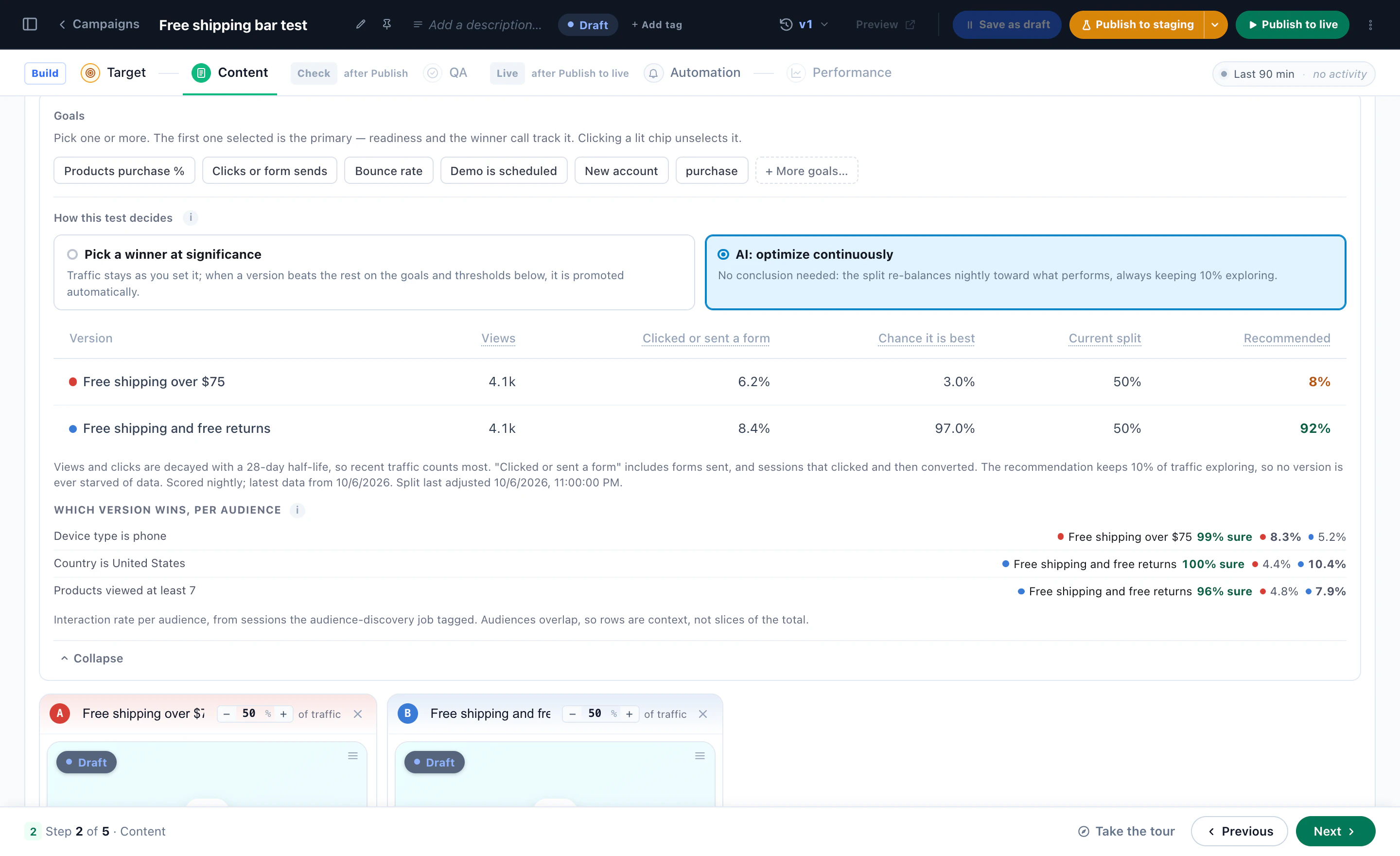
Test any campaign against the original, and read the result for each audience instead of one average.
Banners and pop-ups shown by behavior, traffic source and location: on arrival, as they scroll or as they leave.
Picked from what visitors like them viewed and bought, with fallbacks behind every algorithm.
An AI agent that answers visitors from your site’s content, and hands the conversation to your team when it should.
A meeting booker on your page, its words written by Personal pages for each segment.
Give it your address. It reads your pages the way a first-time visitor sees them and writes the changes worth making for each audience.
Identify the company behind an anonymous visit, then speak to its industry and size.
Every campaign decides what this visitor should see. Where it lands is a setting, not a development ticket: same audiences, same triggers, same reporting behind all six.
Rewrite a headline, picture, price or button in the visual editor. Nothing is laid over your page.
Render into a named slot in your markup, or before, after or inside any element.
Nine positions, on load, after a delay, on scroll depth or exit intent.
Call it from your own server and render it yourself, with SDKs for Node, PHP and Python. APIs & SDKs →
The same campaigns, audiences and reporting, natively, with SDKs for Android and iOS.
Build the page in Personyze and we serve it, already personalized. Hosted pages →
And the conversion goes back to the ad network, server to server. The first ad click is kept on the visitor’s profile, and a conversion days later is posted to Meta, Google, Microsoft, TikTok, LinkedIn, Reddit, Snapchat, Pinterest or X.
Products, articles, offers and emails picked by AI for each visitor, tests that optimize themselves, audiences found for you — and your own rules when you want them. Real screens and films from the panel.
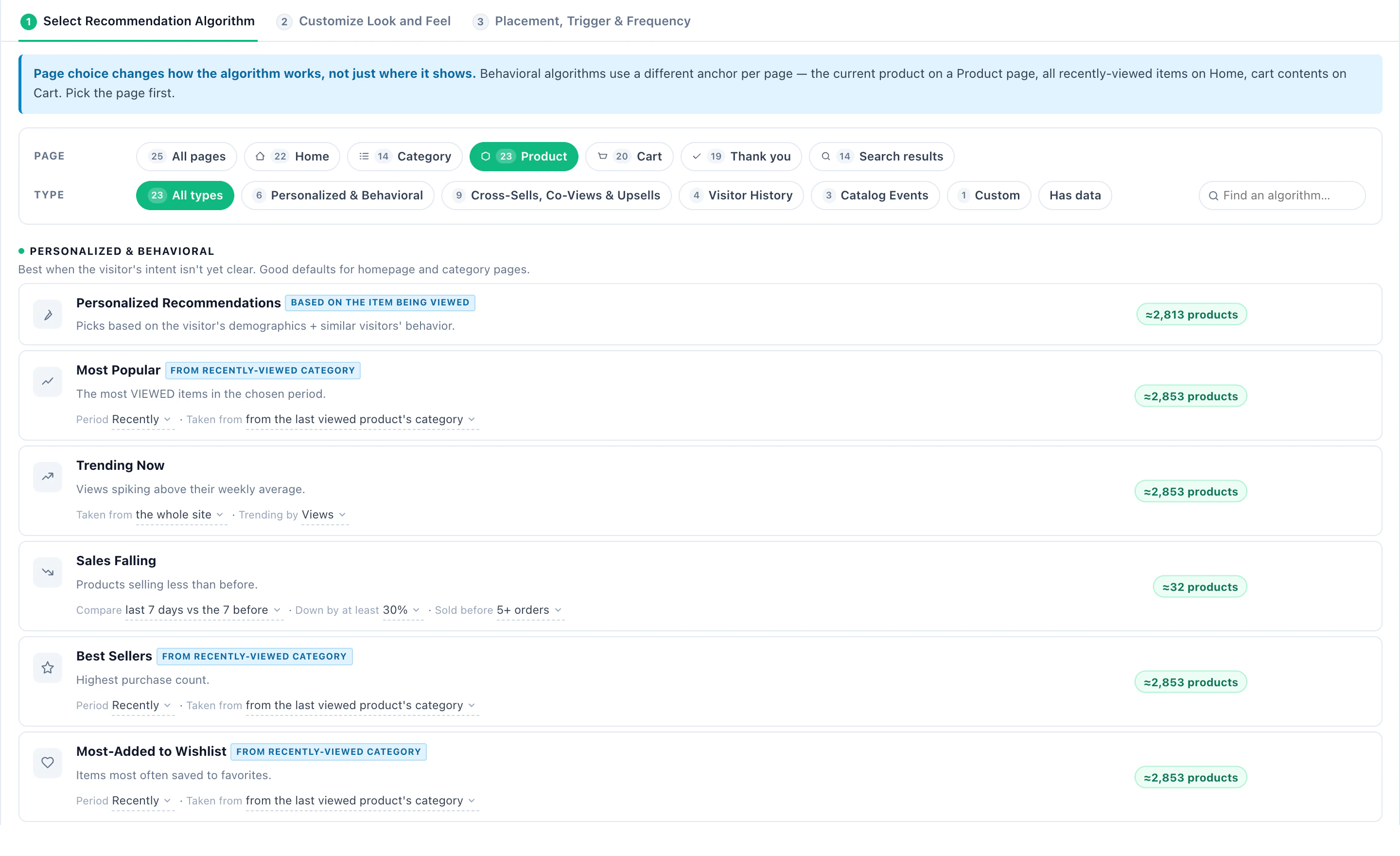
Personalized from similar visitors’ behaviour, trending, best sellers, bought together — algorithms for each kind of page, each with how many of your products it has data for.
A lead story and related posts from your own catalog, chosen by what each reader reads.
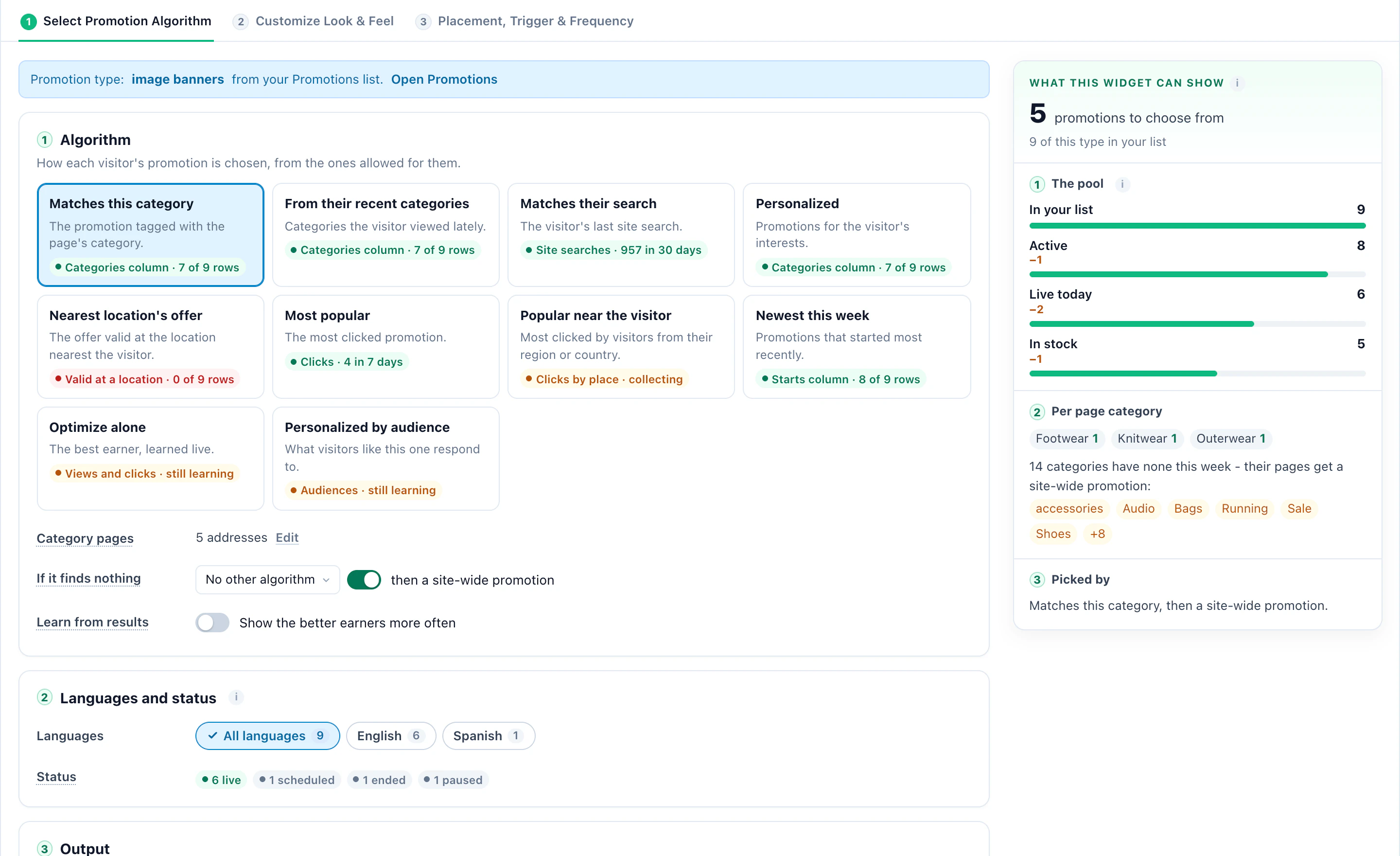
Ten ways to pick each visitor’s promotion — their recent categories, their last search, what visitors like them respond to, or the best earner, learned live.
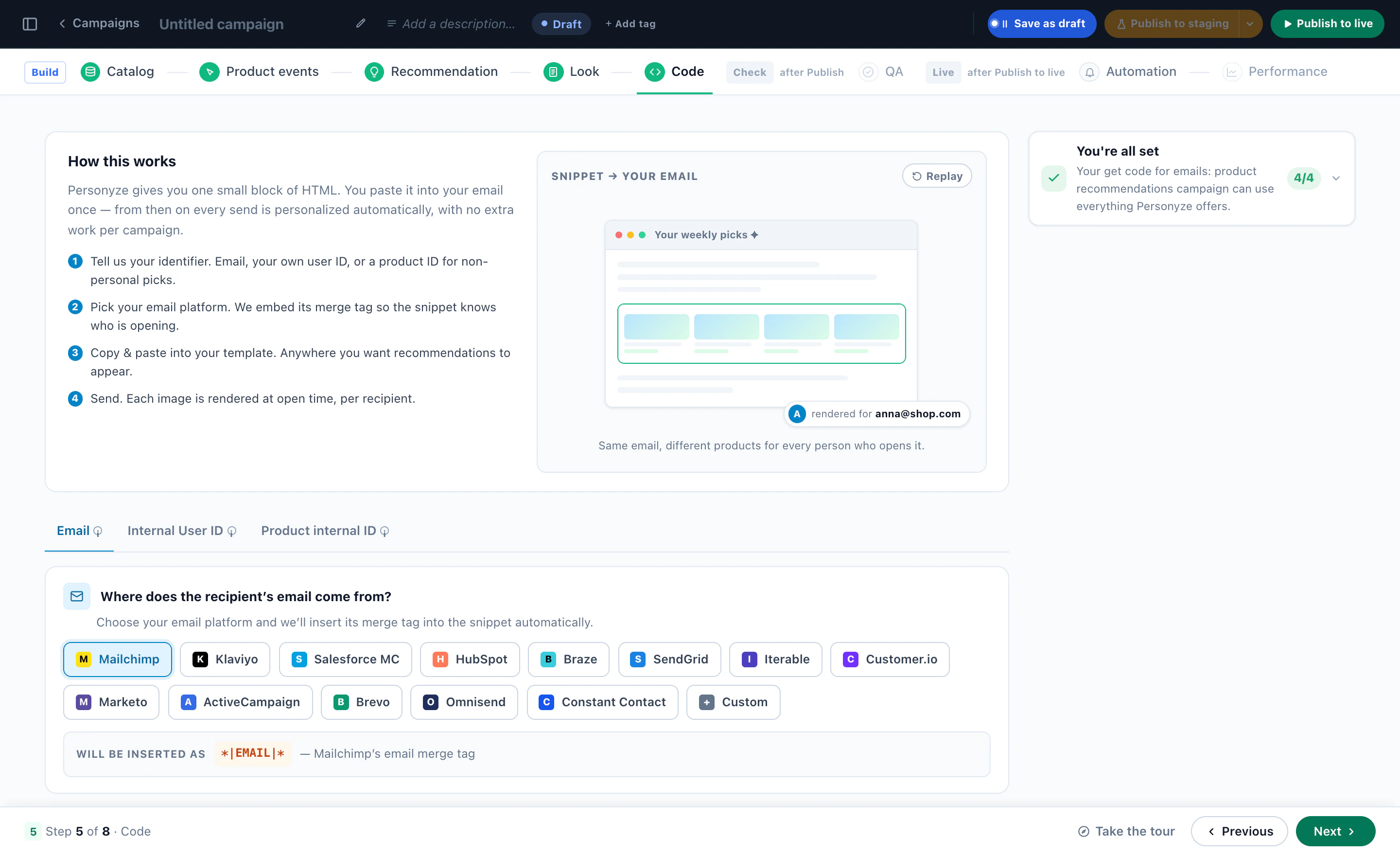
One snippet in any email platform; the products are picked for each person at the moment they open it.
Each version’s chance of being best, and the split the AI moves traffic to while the test runs.
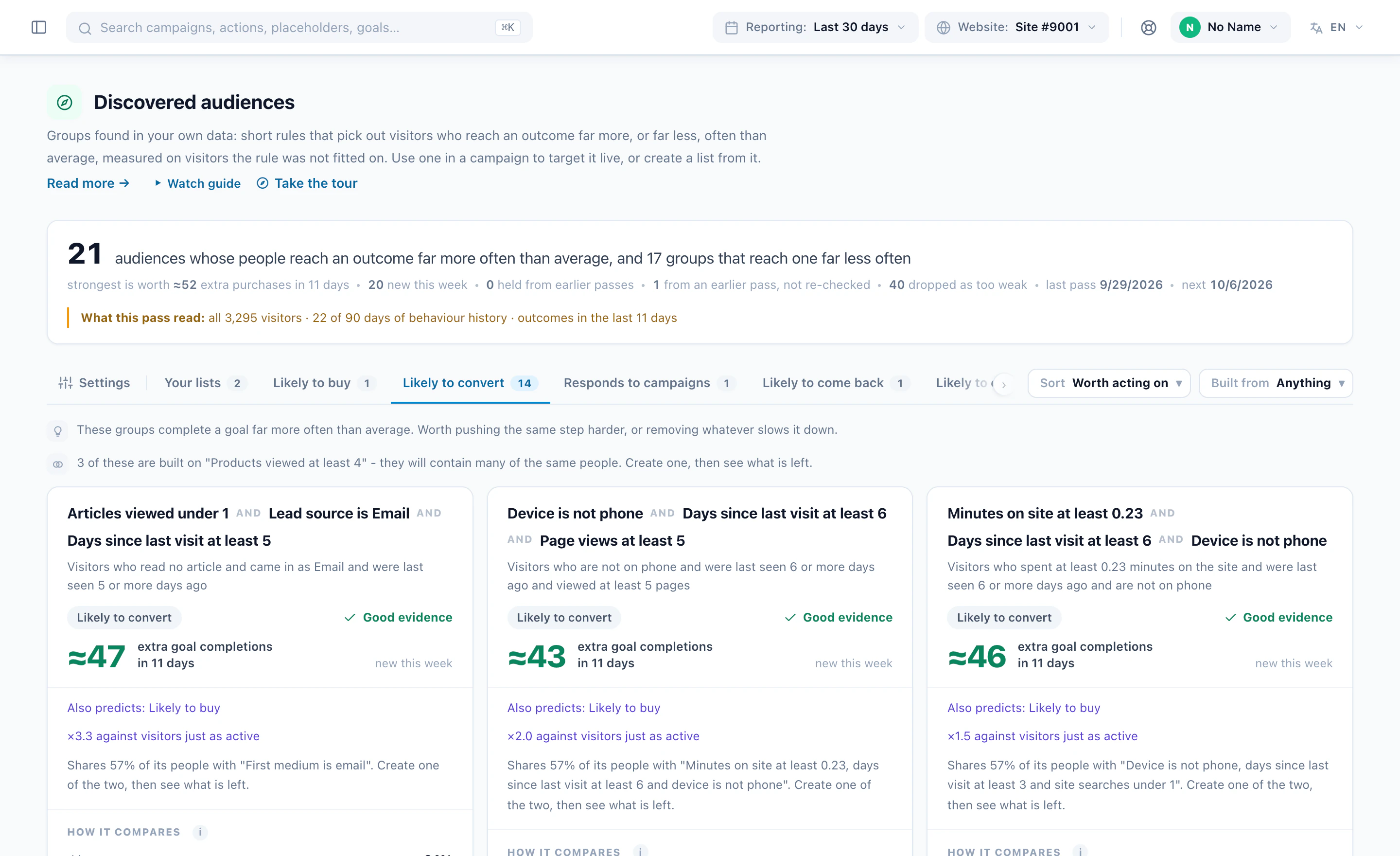
Groups in your own data that reach a goal far more often than average, each with its evidence — one click to target.
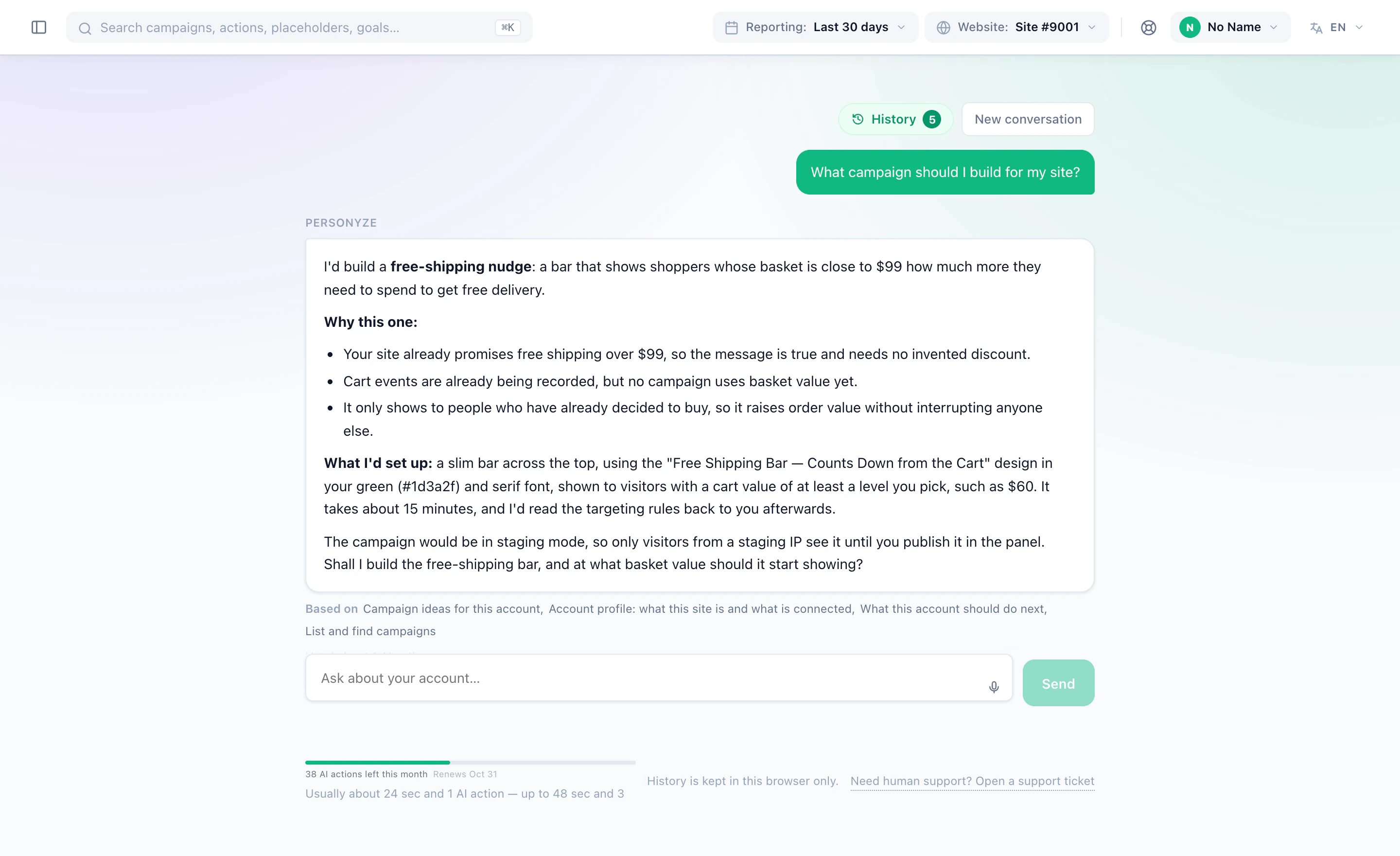
It reads your catalog, your goals and what already runs, then names one campaign and why — and builds it.
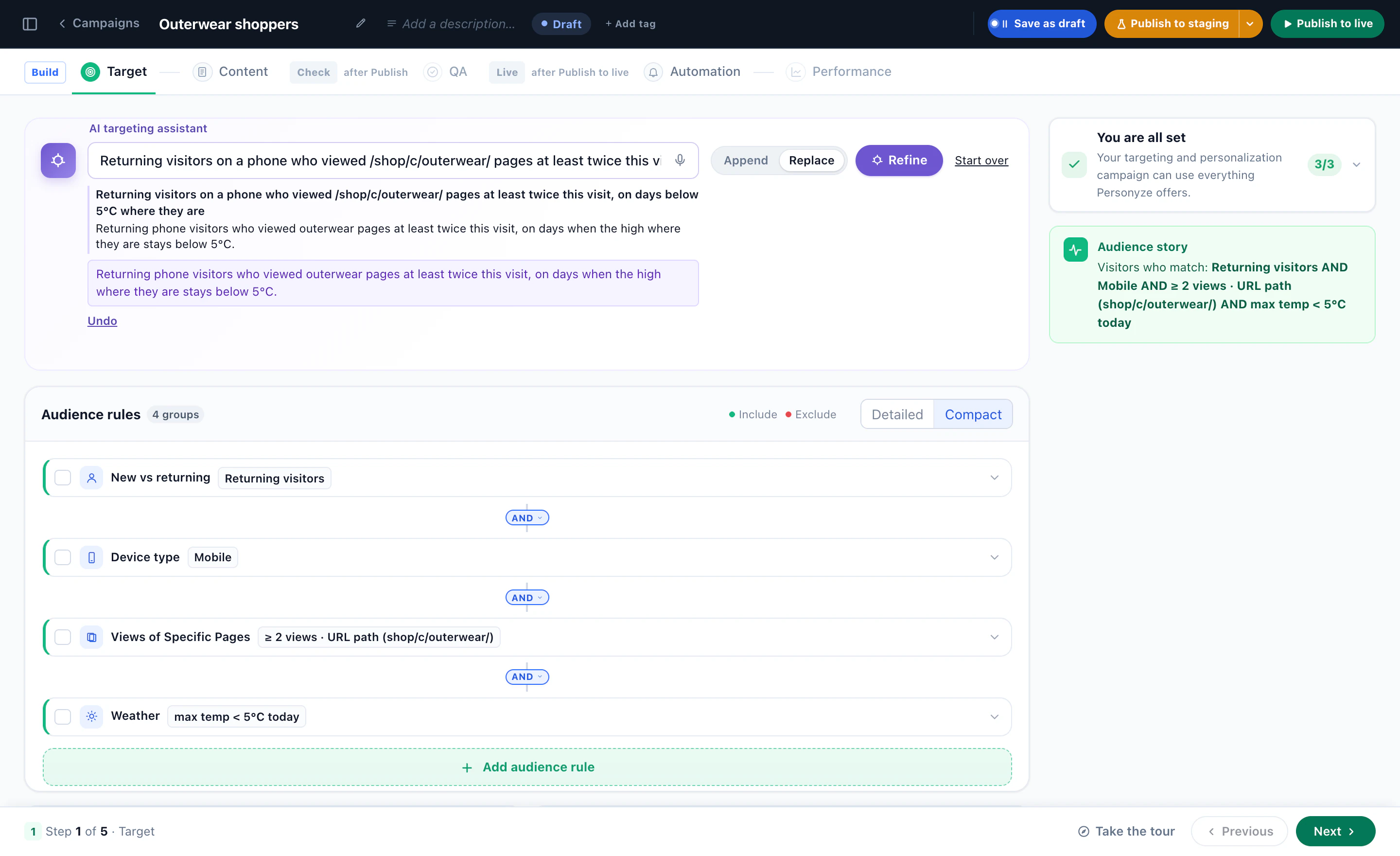
“Returning visitors on a phone who viewed outerwear twice, on days below 5°C” became four rules — weather included — told back in plain words.
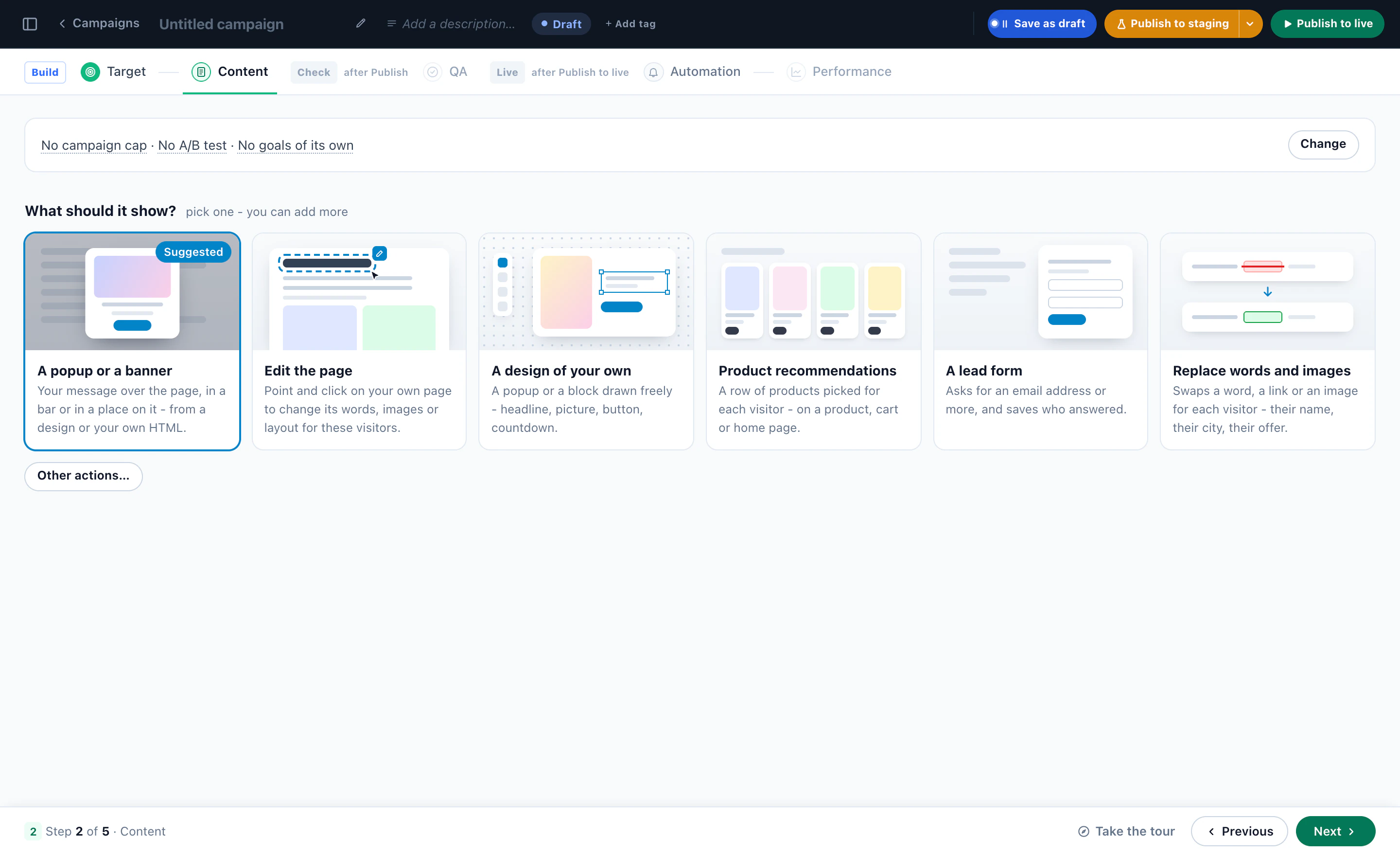
A popup or banner, an edit to the page, a design of your own, product recommendations, a lead form, or words and images swapped in place.
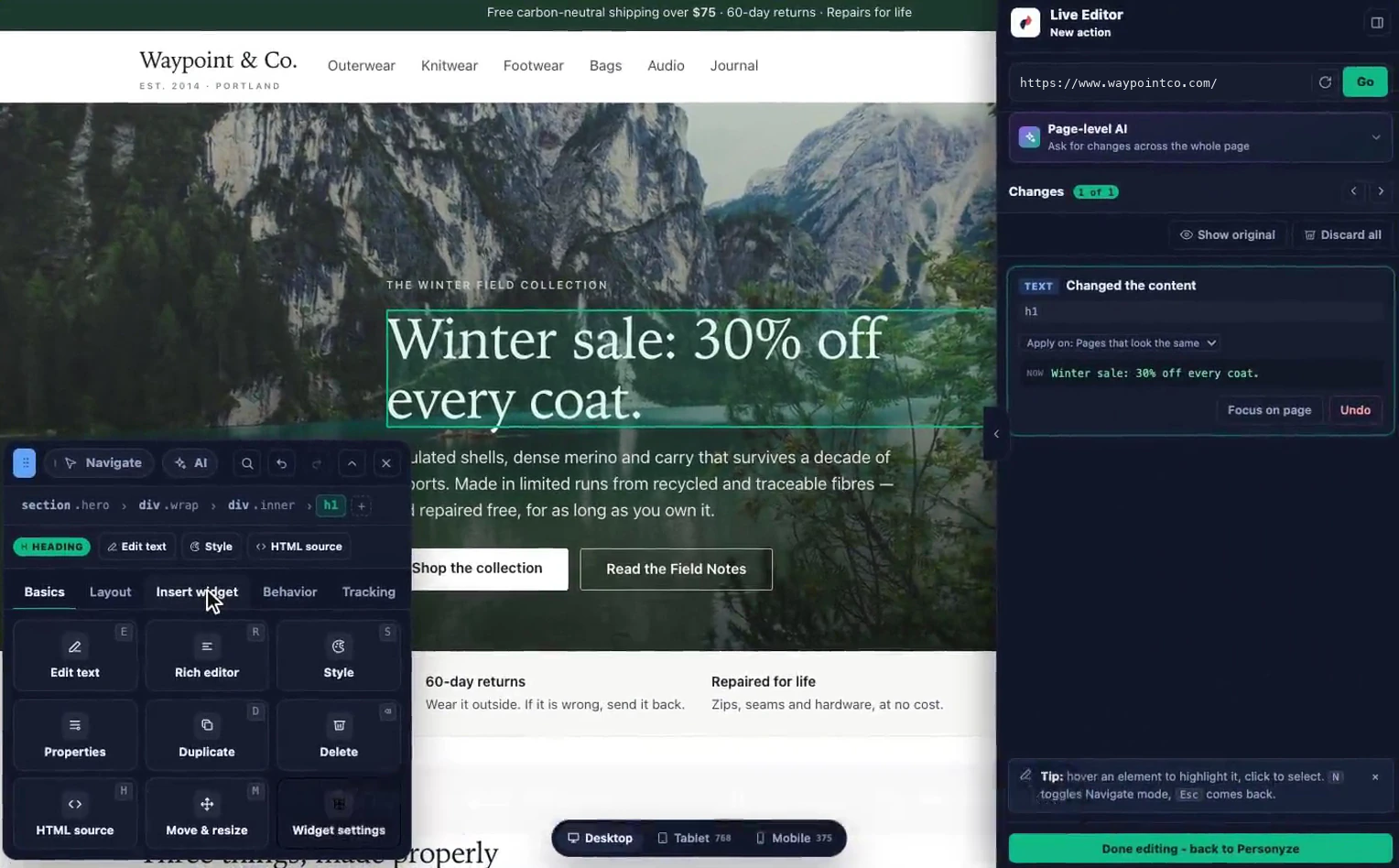
The WYSIWYG editor on your own site: rewrite, restyle or add a widget, with every change listed beside it.
Shoppers who looked at footwear come back to the home page and find a banner written for them — the audience, the banner, a new slot picked on the page, and the store before and after.
Products picked for each visitor, placed on a live page.
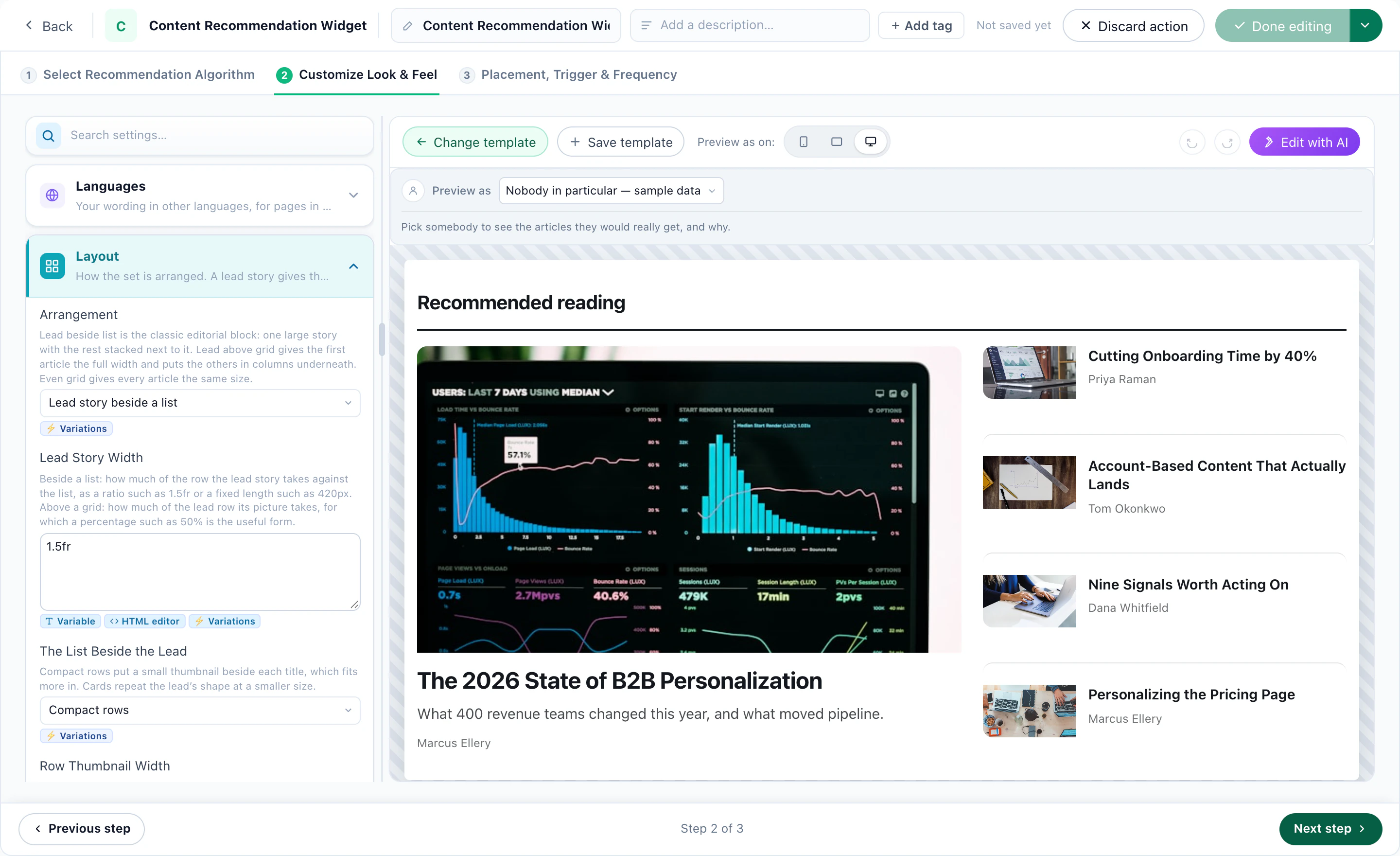
Articles picked for each reader, from your own catalog.
Promotions picked for each visitor — narrated, in the real panel.
Free AI tool · Inspire me
Give Inspire me your address. It reads your pages the way a first-time visitor sees them and writes the changes worth making for each audience: which headline, image or section, for whom, and how to measure it.
Like an idea? Describe it to our AI personalization agent and it builds the campaign for you.
1What kind of ideas?
2Your website
Free · nothing to install · it reads your public pages
Reading yourstore.com
As a new visitor would see it · about 4 minutes
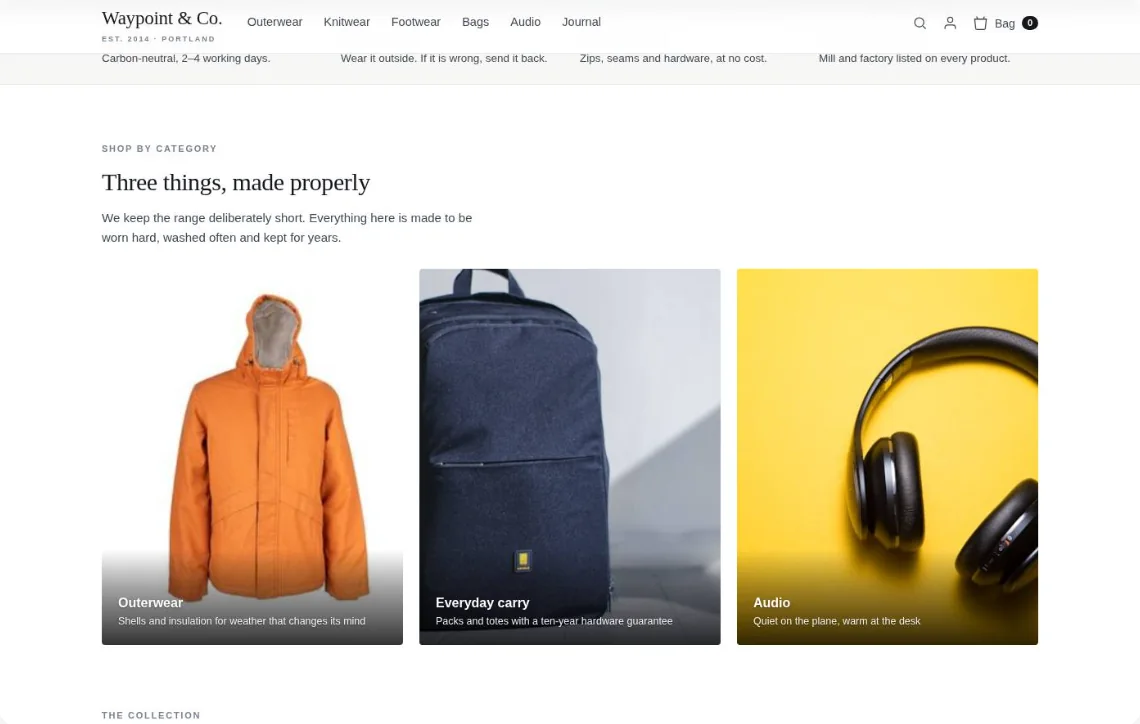
Waypoint & Co. Done
Only: Personalization · your plan
2A weather-led hero for cold and rainy days
Snow this weekend? Start with outerwear.Shells and insulation for the weather that changes its mindDrawn on your own page — for a visitor in a city where it is snowing today.
Personal pages, the platform around it, and what it takes to start.
Website personalization is the practice of changing what each visitor sees — content, offers, product recommendations and calls to action — based on who they are and how they behave, instead of showing everyone the same page. Done well, every change runs against a control group, so you know which ones actually lift conversions.
Personal pages is a Personyze campaign that turns one website into a version for each kind of visitor. Personyze reads your site, proposes the segments who visit it, and writes each page’s key parts for each segment: the hero, the header button, pricing, lists, forms, the meeting booker, customer logos and reviews. You approve the versions, publish to staging and then live, and every version is measured against your original page.
From the sources you put in order: the page they landed on, the ad they clicked (its UTM campaign or keyword), the referrer, your targeting rules and discovered audiences, the visitor’s own answer to one question, a segment remembered from an earlier visit (30 days by default), and the identified company, by industry or size, when nothing else answers. A visitor’s pick in your header’s “Viewing as” switch comes first. When no source answers, the visitor sees the original page.
No. Personyze reads the site you have and changes its key parts in place, and nothing reaches visitors until you publish, first to staging and then live. Two things to know: the “Viewing as” switch needs a button in your header, and if your site redesigns a part that has versions, those versions stop until Personyze reads that part again.
The original stays in the test — you choose its share, from 5% to 50% — so every result is measured against it. The By segment view shows sessions and conversions for each version, segment by segment, next to the original. Split visitors evenly with an A/B test, or let Auto-optimize send more of them to the best version while it keeps testing the others.
It approves versions that do better, retires the ones that lose, writes new versions to try, and pauses a segment where your original wins. Its own approvals go out by themselves; changes you make by hand wait until you publish.
The best website personalization software depends on your stack and team: enterprise suites suit large data teams, while all-in-one platforms like Personyze combine recommendations, targeting, popups, email, and A/B testing in one tag — rated 4.8/5 on G2 and 4.6/5 on Capterra, with a free plan to evaluate on your own site.
Website personalization tools adapt what each visitor sees — content, product recommendations, offers, and CTAs — based on behavior, source, geography, and profile data. They range from single-purpose widgets to complete platforms covering on-site, email, and push channels.
No — Personyze works with one tag and a visual editor, so marketers build and launch campaigns without a dev queue, and Personal pages writes the versions for you. Developers are only needed for advanced custom integrations.
Minutes for the first campaign. Install the tag, define an audience, edit the page visually, preview it in the sandbox as any segment, and publish. With Personal pages, Personyze reads your site and writes the versions, and you approve them before anything goes live.
The tag loads asynchronously, and changes can be published to staging and checked before any real visitor sees them.
The same visitor profile drives on-site content, product and content recommendations, popups and bars, open-time email blocks, and mobile push — built and measured in one platform rather than stitched across several. See the platform for the full picture.
Pricing typically scales with traffic. Personyze plans run from a free tier (5K page views) to Enterprise — see transparent pricing.
Written for you, measured against the original and improving on its own. Start with a free AI plan for your site, or talk to us about Personal pages.