
The page continues the message that brought them.
An email, a paid search ad and an Instagram ad all send people to the same home page. Personyze reads what came with the click — the campaign parameters and the paid keyword — and carries each message onto the page: the email’s offer and products, the boots that were searched for, the ad’s own photo and line. A direct visitor gets the store as built. Switch the visitor below to see which parameter moves which block.

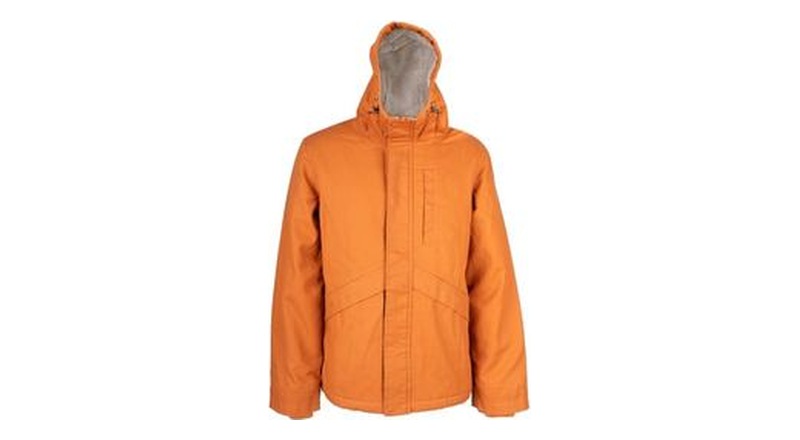
The four picks from the email, still 20% off
Same pack, same shell, same prices you just read. SPRING20 at checkout, until Sunday at midnight.


Read the link. Continue the message.
Use the links you already send
Emails, ads and posts already carry utm_source, utm_campaign and utm_content, and a paid search click carries its keyword. Personyze reads them on arrival — there is no new tracking to add.
Map each parameter to a slot
A campaign name picks an offer, a keyword picks a category, a creative picks a photo and a headline. Each one is an audience, and each audience owns the slots it changes: the bar, the hero, the product row.
Measure each match against the default
A holdout from every audience keeps the page as built, so the email version, the boots version and the trail-running version are each compared with the same default page.
How Personyze matches the page to the click on this store.
The email’s campaign name picks the offer, not only the banner
utm_source=newsletter and utm_campaign=spring-sale are read from the landing URL. Together they switch on the bar with the code from the email, a hero that names the email, and a product row filtered to the four items tagged for that issue — the same pack, shell, poles and tent the reader just saw, at the same sale prices.
The paid keyword rewrites the hero and the product row
The keyword of a paid search click is a targeting condition of its own: here it contains “waterproof” and “boot”. It swaps the hero photo and copy, fills the row with waterproof boots and the socks most often bought with them, and adds a boot review. Organic search passes no keyword, so keyword matching is a paid-traffic tactic.
utm_content says which creative they saw
The spring campaign on Instagram runs four creatives, and utm_content=trail-running identifies this one. The hero repeats that creative’s photo and headline, and the row holds the three things in it. utm_source alone would only say the visitor came from Instagram.
No parameters means the page as built
A typed URL or an organic result carries nothing to match, so the visitor gets the default home page with its bestsellers. It is also what the holdout of each campaign sees, which is how each matched version is measured against it.
Each parameter owns specific slots
The bar, the hero and the product row are separate slots, and each campaign changes only the ones it owns; the navigation and everything else stay the store’s own. That is why the line under each version can name the parameter and exactly what it moved.
Questions about this example
How does Personyze know where a visitor came from?
It reads what arrives with the click: the UTM parameters on the landing URL, such as utm_source, utm_campaign and utm_content, the referrer, and for paid search the keyword of the ad. Each of these can be a targeting condition on its own or combined with others.
Can the keyword from organic search be used as well?
No. Search engines do not pass organic keywords to the site, so keyword matching works for paid search clicks. Direct and organic visitors see the default page unless another condition, such as the landing page or their past behavior, applies.
How is each message-matched version measured?
Each version is a campaign with its own audience, and a holdout from that audience keeps seeing the default page. Every version is compared with the page as built rather than assumed to be better.
Make every click land on its own message.
Read the parameters you already send, map each one to a slot, and measure every version against the page as built.