Mastering On-Site Banners & Popups
On-site banners and popups are essential elements in modern Website Personalization strategies. They effectively showcase promotional campaigns—from special discount banners to exit-intent popups—targeted precisely to visitor behaviors or segments.
The Power of Segmentation
The primary goal of any on-site campaign is to boost engagement and conversions by presenting the right offer to the right audience at exactly the right time. By utilizing a Behavioral Targeting engine, marketers can move beyond generic blasts.
For example, typical B2C e-commerce brands use Personyze to drive immediate sales or capture emails, while B2B/SaaS companies often utilize ABM Marketing tactics for lead generation, such as promoting demo requests to specific industries.
Summary of Best Practices
To maximize the effectiveness of Banners & Pop-Ups, marketers should follow key best practices in design, targeting, and deployment. Adhering to these guidelines ensures popups remain engaging rather than intrusive.
Smart Timing
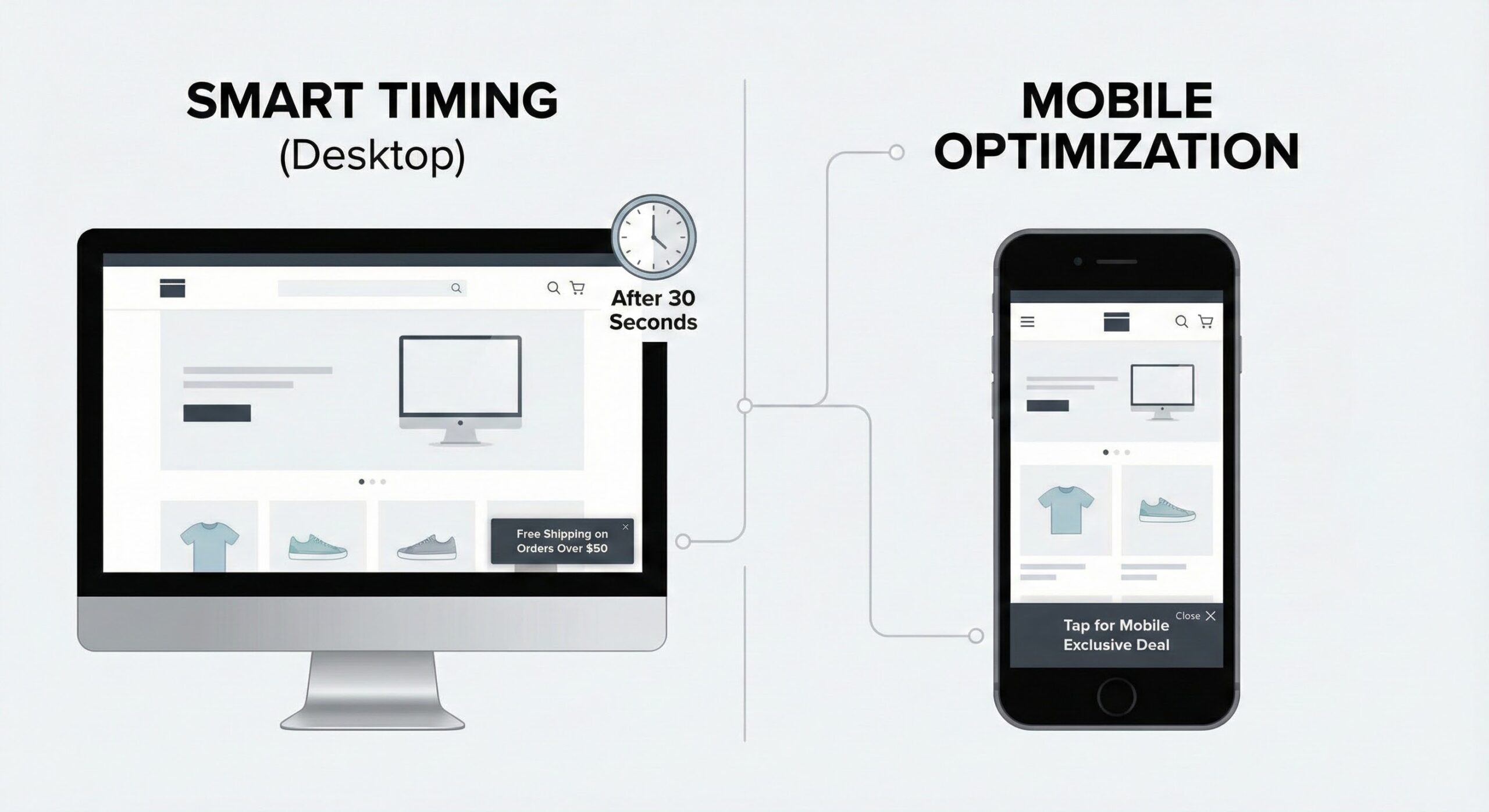
Show popups at the right moment using behavioral triggers (e.g., time-on-site, scroll depth). Avoid immediate interruptions unless critical to the user journey.
Audience Segmentation
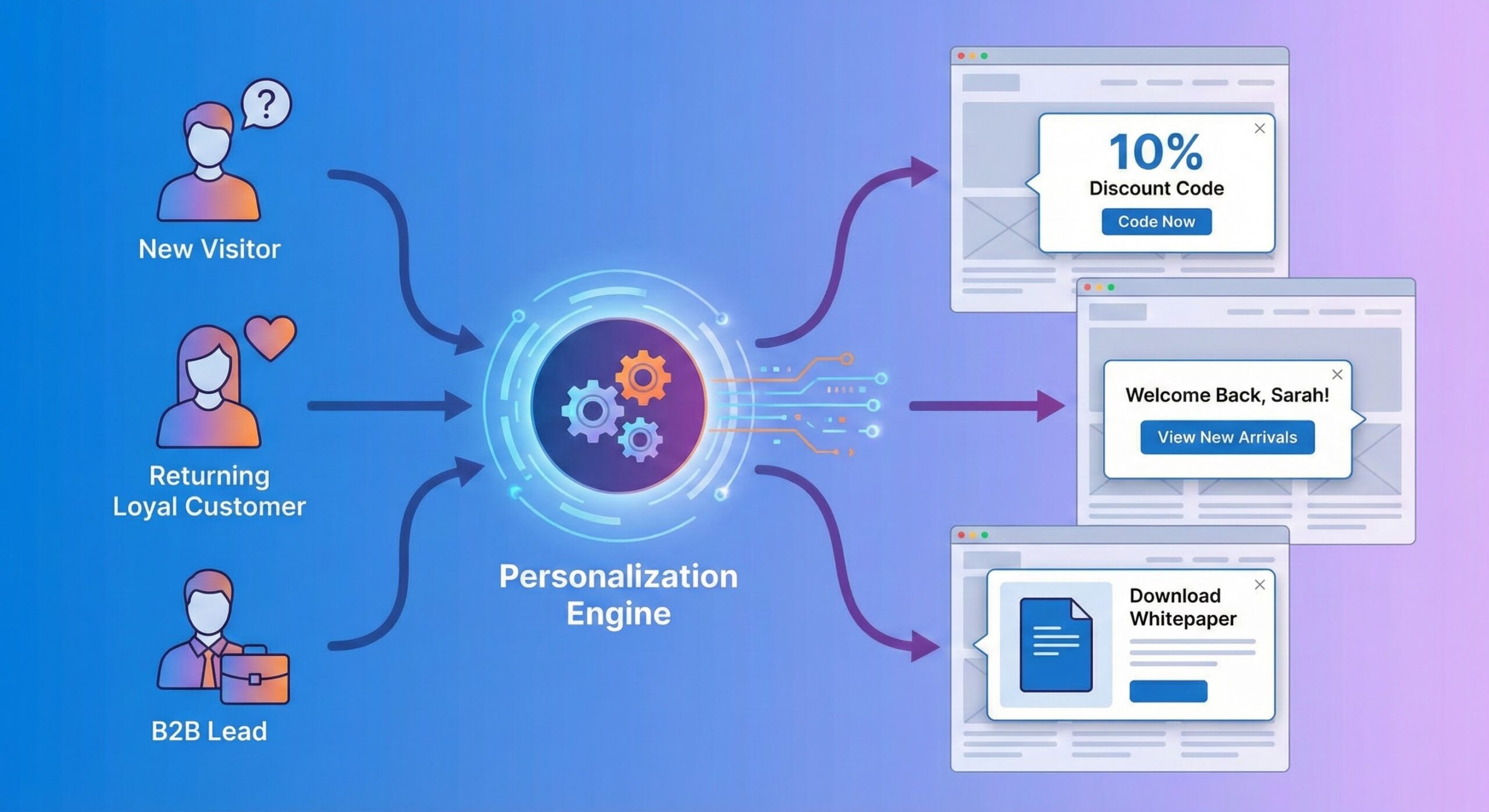
Segment by attributes like new vs. returning, referral source, or CRM data. Use Behavioral Targeting to distinguish between a first-time browser and a loyal customer.
Personalization
Leverage visitor data to insert Dynamic Content into the popup, such as the user’s name, industry, or specific products left in the cart.
A/B Testing
Continuously improve campaigns by A/B Testing designs, copy, and triggers. Even minor adjustments to headlines or CTA buttons can drastically improve conversion rates.
Mobile Optimization
Ensure compliance and usability by using mobile-specific “cases” with smaller, unobtrusive banners that are easily dismissible to prevent frustration.
Typical Results by Industry
The following examples illustrate the typical outcomes and measurable impacts achieved by companies implementing targeted on-site campaigns across different sectors.
Fashion Retail: Reducing Cart Abandonment
Fashion retailers dealing with high cart abandonment rates often turn to smart exit-intent popups. By integrating a Recommendation Engine into these exit overlays, brands can offer a standard incentive (such as a 10% discount) precisely when a visitor moves to close the tab. On average, implementations of this strategy yield a 15% uplift in overall sales conversions by recapturing hesitant shoppers.
SaaS/B2B: Generating High-Quality Leads
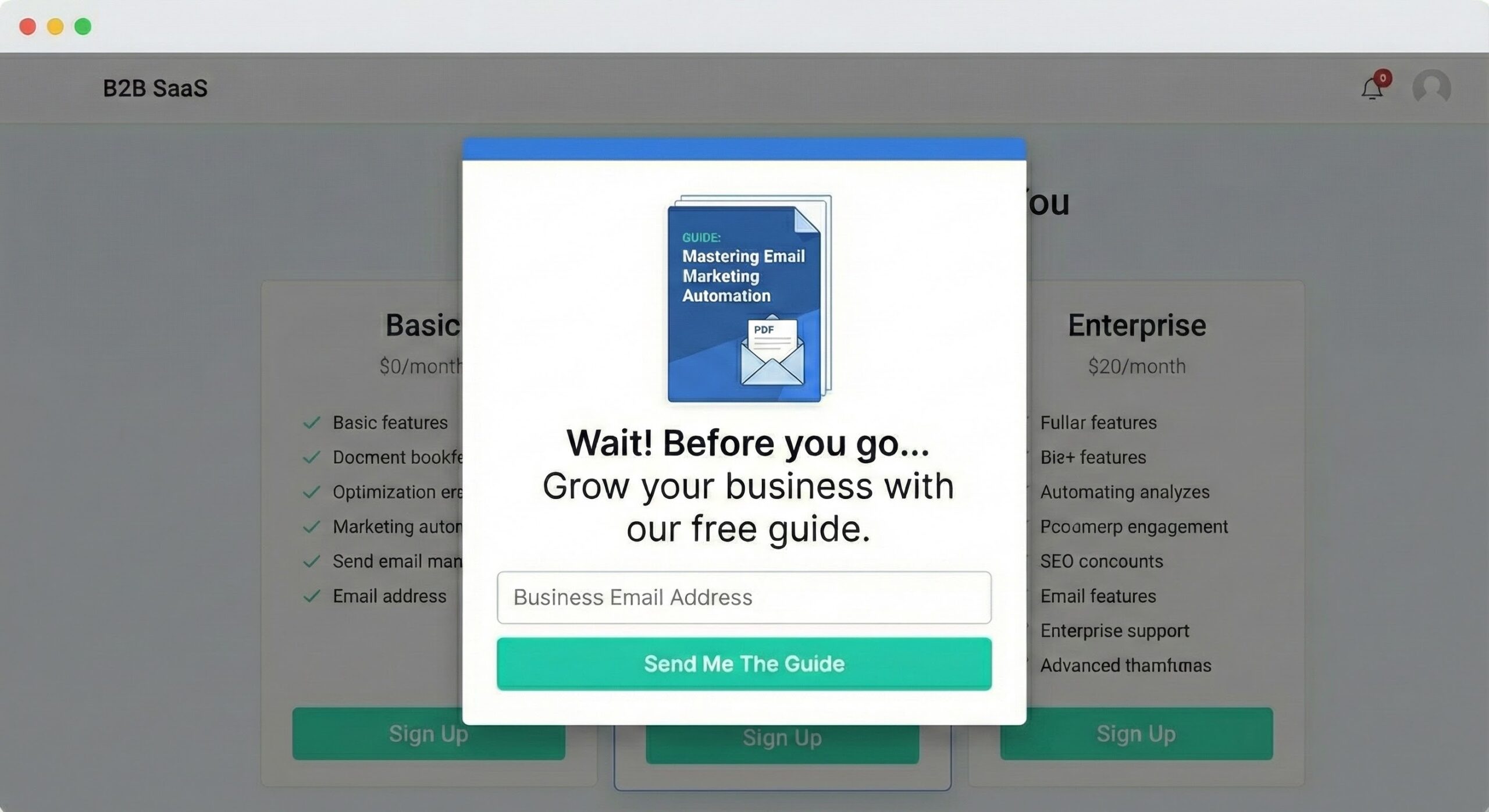
For B2B SaaS platforms facing stagnant trial signups, a common solution is deploying a specific Lead Capture Popup. Instead of a generic newsletter signup, successful companies offer high-value assets, such as downloadable whitepapers or industry guides.
When targeting is restricted to visitors demonstrating exit intent on pricing pages, average customers report a significant influx of qualified leads—often adding over 100 new high-quality prospects to their pipeline within the first month.
Travel & Hospitality: Driving Urgency & Upsells
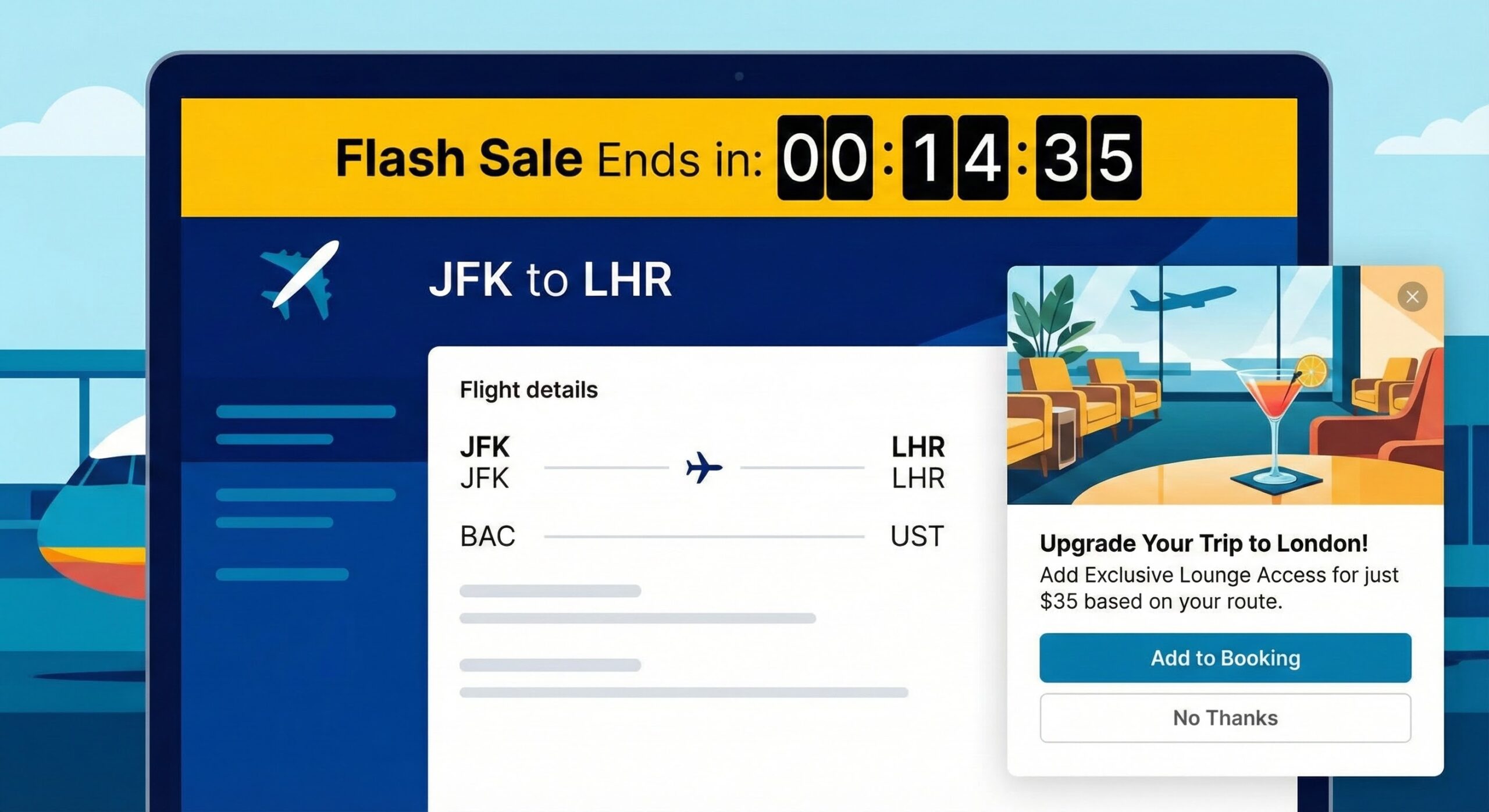
Travel brands frequently aim to maximize sales during competitive booking windows. A proven strategy involves employing Social Proof and urgency tactics, such as real-time countdown timers for flash sales.
Furthermore, by providing personalized upsell options—such as lounge access or seat upgrades tailored to the specific route—companies typically see an immediate 18% increase in online bookings and a double-digit boost in ancillary revenue.